

Chrome for Android Now Lets Users Move the Address Bar to the Bottom New design feature gives users more control over their browsing experience, enabling easier one-handed navigation by allowing the address bar to be repositioned to the bottom of the screen—following a similar move by Safari on iOS. Google Embraces Bottom Navigation for Better Usability Google has officially introduced the ability to move the Chrome address bar to the bottom of the screen on Android devices. This change, which mirrors Apple’s earlier move with Safari in iOS 15, is aimed at improving accessibility and comfort during one-handed browsing. A Feature Inspired by Apple, But Handled Differently While Apple made this design shift in 2021, Google previously brought the bottom address bar option to Chrome for iOS. Now, it’s extending the same flexibility to Android. Unlike Apple’s initial approach, Google is making this a user-controlled setting from the start, rather than a forced change. How to Enable the Bottom Address Bar in Chrome for Android Users can switch the address bar position in two simple ways: Why This Matters for Mobile Users This update is a usability win, particularly for users of large-screen smartphones. By placing the address bar closer to where thumbs naturally rest, Chrome becomes more ergonomic and user-friendly—especially for one-handed use. Learning from Safari’s Stumble Apple faced backlash when it first introduced the floating address bar in Safari, which interfered with site elements and disrupted the browsing experience. After user feedback, Apple revised the feature, anchoring the bar below the content and making it optional—an approach Google appears to be following from the outset. Gradual Rollout to Android Devices Google confirmed that the new feature begins rolling out today and will reach all Android Chrome users in the coming weeks. Sources : ( Techcrunch )

UK Regulator May Force Google to Rank Businesses Fairly
CMA Targets Fairer Search Rankings and More Consumer Choice Britain’s Competition and Markets Authority (CMA) is preparing to enforce stricter regulations on Google, aiming to promote fairer business rankings in search results and ensure greater consumer access to alternative digital services. This initiative marks the first potential use of the CMA’s expanded powers to oversee major tech platforms. Strategic Market Status Could Reshape Google’s Role The CMA plans to designate Google—owned by Alphabet Inc.—with Strategic Market Status (SMS) by October. If confirmed, this status would grant the regulator significant authority to intervene in Google’s operations, particularly its search services. The objective is to make the digital market more competitive, thereby boosting innovation and economic development in the UK. ALSO SEE : Apple Brings Back Tabs to Photos App in iOS 26 What the Regulation Might Change Key changes under consideration include: These steps are designed to lower entry barriers for smaller tech firms and reduce Google’s influence over the search and digital advertising markets. Google Warns Against “Punitive” Measures In response, Google has expressed concerns. Oliver Bethell, Senior Director for Competition at Google, cautioned against “punitive regulation,” arguing it could deter the company from introducing new services and features in the UK. He called for a “proportionate, evidence-based” approach to regulation. Balancing Innovation and Oversight CMA Chief Executive Sarah Cardell acknowledged Google’s dominant position—handling over 90% of UK search queries—and the platform’s benefits for users and businesses. However, she emphasized the need for stronger competition to encourage innovation and long-term growth. The UK’s approach differs from the European Union’s broader digital regulatory framework. Post-Brexit, Britain is attempting to balance tech oversight with economic opportunity. AI in Focus, But Gemini Excluded (For Now) As part of its review, the CMA has developed a draft roadmap of changes Google could implement ahead of a final ruling. The regulator is paying close attention to the rise of generative AI, which is rapidly transforming the search landscape. While tools like AI Overviews are part of the proposed designation, Google’s Gemini assistant remains outside the scope—though the CMA intends to keep it under observation. Looking Ahead: Advertising and Mobile Ecosystems Also Under Scrutiny Further investigations are scheduled to begin in 2026, with the CMA planning to examine Google’s practices related to specialized search services and ad transparency. Additionally, the regulator is assessing Google and Apple’s dominance in the mobile operating system space, particularly with Android, signaling potential future actions. A Bold Move in Global Tech Regulation With the ability to enforce compliance through fines and direct action, the CMA’s latest move underscores its intent to challenge the market power of global tech giants. As scrutiny intensifies in both the US and EU, the UK joins a growing chorus of regulators looking to reshape digital competition without stifling technological innovation. sources ( Mashable )

xAI’s Grok May Soon Edit Spreadsheets, Leak Suggests
xAI’s Grok Could Soon Edit Spreadsheets, Leak Reveals ALSO SEE : OpenAI Ends Partnership with Scale AI After Meta Deal Advanced File Editing Capabilities in the Works A recent leak suggests that xAI, the AI startup founded by Elon Musk, is developing a powerful file editor for its AI assistant, Grok. The tool appears to include support for spreadsheets and signals a broader push by xAI to enter the productivity software space—potentially positioning Grok as a direct competitor to OpenAI, Microsoft, and Google. “You can talk to Grok and ask it to assist you at the same time you’re editing the files!” wrote reverse engineer Nima Owji, who uncovered and shared the leak. Building Toward Multimodal AI Workspaces While xAI has yet to formally outline its complete strategy for productivity tools, the company has made several moves indicating its ambitions. In April 2025, xAI launched Grok Studio, a split-screen interface that allows users to co-create documents, reports, code, and even browser games with Grok in real time. xAI also rolled out Workspaces, a feature designed to organize documents, files, and AI conversations in a unified environment—further blurring the line between traditional apps and AI collaboration. Taking Aim at Google and Microsoft Google’s Gemini Workspace currently offers the most similar functionality, allowing users to edit Docs and Sheets while chatting with Gemini. However, Gemini Workspace remains limited to Google’s ecosystem. xAI’s approach could provide a more flexible alternative, potentially integrating with a wider range of file types and services. OpenAI and Microsoft have also introduced tools that embed AI into document creation and collaboration, but Grok’s real-time conversational editing could set it apart—especially if it supports multiple file formats beyond spreadsheets. The “Everything App” Vision Expands If the leaked capabilities come to fruition, they would mark a significant step toward Elon Musk’s larger vision for X as an “everything app”—one that blends social media, payments, messaging, and productivity under a single umbrella. Whether this editor is the beginning of a full productivity suite remains to be seen, but the move underscores xAI’s determination to redefine how we interact with AI in daily workflows. Sources : ( Techcrunch )
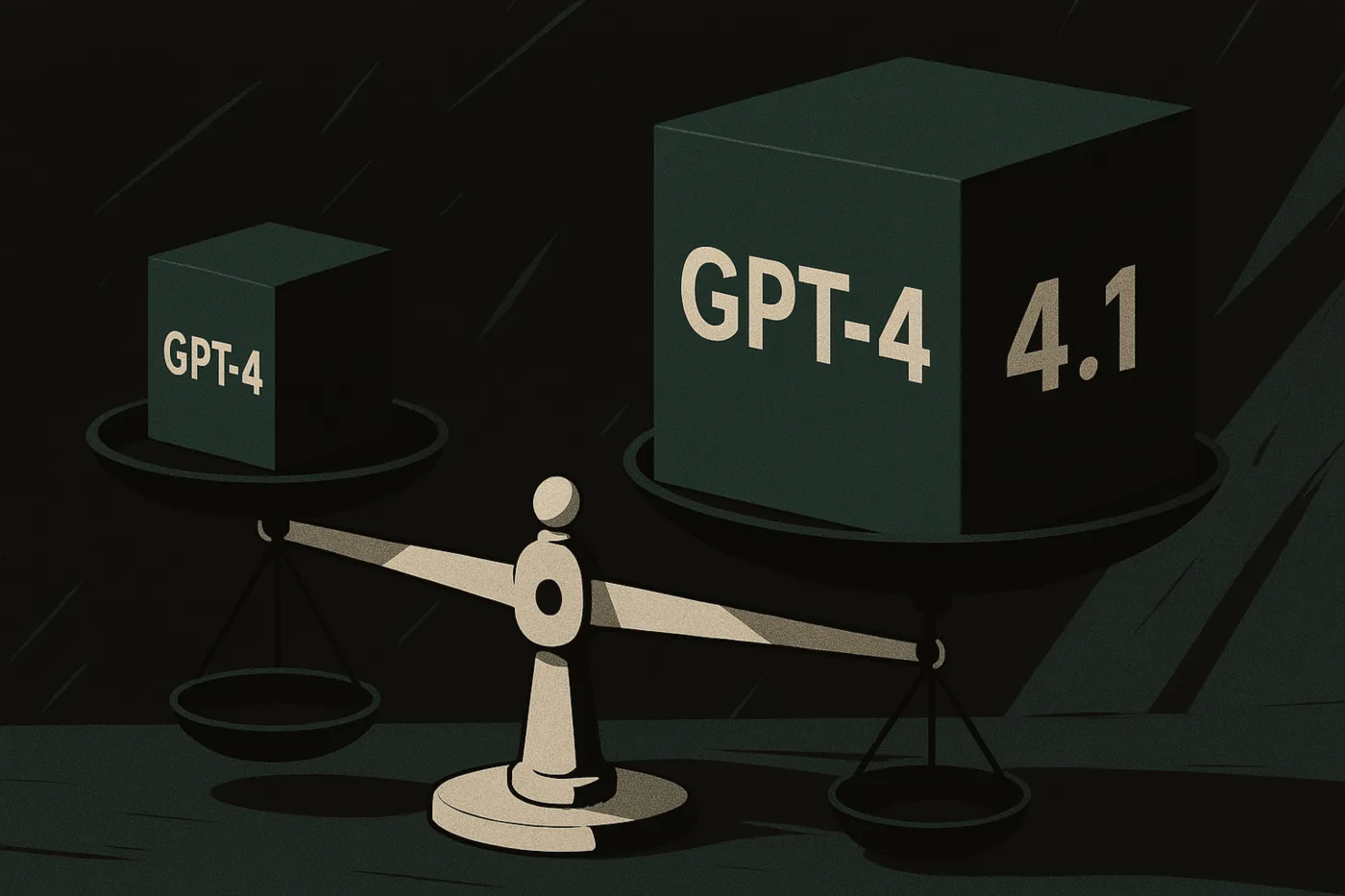
OpenAI Ends Partnership with Scale AI After Meta Deal
OpenAI Cuts Ties with Scale AI Following Meta’s Billion-Dollar Partnership OpenAI Rethinks Data Partnerships Amid Industry Shifts In a major move that signals shifting dynamics in the AI development space, OpenAI has ended its partnership with data-labeling firm Scale AI. This decision comes just days after Meta announced a multi-billion-dollar investment in Scale AI, alongside plans to bring on its CEO, Alexandr Wang. Speaking to Bloomberg, an OpenAI spokesperson confirmed that the company had already started phasing out its reliance on Scale AI before Meta’s official announcement. OpenAI is now actively working with other providers to obtain more specialized and secure datasets—critical for training the next generation of advanced AI models. From Promising Collaboration to Sudden Departure This shift marks a stark contrast from earlier statements made by OpenAI’s Chief Financial Officer, Sarah Friar. She had previously suggested that the company would maintain its working relationship with Scale AI. However, the tone has since changed dramatically, as OpenAI now looks to build relationships with partners that are perceived as more neutral and better aligned with its evolving priorities. Meta Deal Triggers Industry-Wide Concerns Meta’s sudden partnership with Scale AI raised eyebrows across the tech world. Industry insiders view the collaboration—and Wang’s involvement in Meta’s broader AI plans—as a potential conflict of interest. As a result, AI developers and data-hungry companies are reconsidering their reliance on Scale AI. According to Reuters, Google is also exploring the possibility of severing its ties with Scale AI. This trend could signal a broader industry pivot away from the startup, driven by a desire to maintain data privacy and competitive distance from Meta’s growing influence. Competitors Seize the Moment As confidence in Scale AI wavers, rival data providers have reported a surge in interest from companies eager to partner with independent, non-aligned firms. These providers are positioning themselves as more transparent and neutral alternatives—qualities that are increasingly valuable in an AI arms race where proprietary data is a key differentiator. Scale AI Responds to Allegations and Doubts In an attempt to reassure its clients, Scale AI’s general counsel published a blog post on Wednesday. The post emphasized that Meta would not receive special treatment and that the company remains committed to protecting sensitive client data. It also stated that Alexandr Wang would not be involved in day-to-day operations, despite his deep ties to Meta’s new initiative. Still, those assurances appear to have had limited effect. The departure of major customers like OpenAI sends a strong message to the market that Scale AI may no longer be perceived as a fully neutral player in the competitive AI ecosystem. ALSO SEE : UAE ChatGPT Plus Free Offer? No Official Confirmation Yet A Strategic Pivot Toward Government and Enterprise Clients Facing increased scrutiny and client departures, Scale AI is now shifting its focus. In a separate blog post, interim CEO Jason Droege outlined a new direction for the company. He said Scale AI will “double down” on building custom AI applications—particularly for government agencies and large enterprises. This move suggests Scale AI is preparing to diversify its offerings and reduce its dependence on the data-labeling business, which is under pressure from both market forces and client trust issues. What’s Next? OpenAI’s decision could mark a turning point in how leading AI firms select their data partners. With major players now seeking neutrality, specialization, and stricter privacy assurances, the industry’s landscape is shifting rapidly. For Scale AI, the challenge lies in rebuilding trust and carving out a new role in a competitive and increasingly cautious AI ecosystem. Sources ( Techcrunch )
Google AI Mode Adds Voice Chat to Search Live
Google Introduces Voice Conversations to AI Mode in Search Hands-free, real-time search interactions have been made possible with Google’s new Search Live update ALSO SEE : Google Updates Gemini 2.5 Pro with Better Coding Skills Voice-Driven Search Experience Launched A new live voice interaction feature has been launched by Google, allowing users to have dynamic conversations with Search AI. This addition is part of the company’s efforts to make information retrieval more natural, intuitive, and accessible on the go. How It Works The update enables users to initiate a free-flowing, real-time voice dialogue with Google’s experimental AI Mode. By tapping the new “Live” icon in the Google app, spoken queries are responded to with AI-generated audio, and follow-up questions can be asked conversationally. Enhanced for Multitasking and Exploration The feature is expected to be particularly helpful for multitasking. For instance, while packing for a trip, users can ask something like “What are some tips for preventing a linen dress from wrinkling in a suitcase?” and follow up with, “What should I do if it still wrinkles?”—all without typing. Interactive Visual Support and Transcripts During conversations, relevant links are displayed on screen, allowing users to explore related web content. Additionally, a “transcript” button lets users view responses in text form or continue their questions by typing. Conversation history can also be revisited through the AI Mode history. Powered by Gemini and Google Search Systems According to Liza Ma, Director of Product Management at Google Search, the voice functionality is supported by a custom version of Gemini, built on Google’s industry-leading information systems. It also utilizes a “query fan-out” method, aimed at delivering broader, more diverse web content for deeper discovery. Works in the Background with Multitasking Support Search Live is designed to function seamlessly in the background. This means users can continue conversations with the AI while using other apps—making it well-suited for mobile users juggling multiple tasks. Upcoming Features: Camera Integration Google has announced plans to expand Live capabilities in the coming months. One major upcoming feature will allow users to ask questions based on what their phone’s camera sees in real time, a preview of which was shown at Google I/O in May. soucres : ( Techcrunch )

AI and the Future of Coding: Rise of Vibe Programming
The Vibe Shift in Coding: Is AI Coming for Engineers? By TechXNow -Team ( iteshpal ) | June 2025 On a high-resolution screen in Kirkland, Washington, four active terminals hum as artificial intelligence cranks out thousands of lines of code. Veteran software engineer Steve Yegge, formerly of Google and AWS, leans back and watches the show. “One’s running tests, one’s generating a plan—I’m technically working on four projects at once,” Yegge says. “But really, I’m just burning tokens.” Welcome to the era of vibe coding—the AI-driven approach to software development that’s flipping decades of assumptions about the future of programming. From Autocomplete to Autonomous When ChatGPT launched in late 2022, its coding capabilities felt like a productivity boost: helpful autocomplete, faster snippets. But in just a few short years, LLMs (large language models) have evolved into autonomous agents that can spin up entire apps, manipulate files, and even run tests—all from a few lines of human instruction. The term “vibe coding,” coined by AI researcher Andrej Karpathy in early 2024, captures this shift: software development through high-level prompting, not painstaking line-by-line construction. As capabilities grow, so do fears. Platforms like X and Bluesky are buzzing with speculation about companies cutting dev teams—or scrapping them entirely. Dario Amodei, CEO of Anthropic, told an audience at the Council on Foreign Relations earlier this year, “We’re not far from a world—maybe six months—where AI writes 90% of code. In a year, it could be nearly all of it.” Code Revolution or Coding Bubble? Not everyone is sold on the AI-coding takeover. Many in the software world argue that while AI can speed up routine tasks, it remains error-prone, unpredictable, and often insecure. The result? A paradox: coding has never been easier to start—but understanding it deeply may be more critical than ever. MIT economist David Autor compares the situation to transcription work—quickly automated by AI—but warns that complex software engineering won’t be so easily replaced. He also points to the elasticity of demand: if the need for software expands like the ride-hailing boom, we might see more code being written by more people, not fewer. “There may be an Uber effect on engineering,” Autor says. Vibe Coding Goes Mainstream Yegge—now leading AI-coding efforts at Sourcegraph—has become a vibe-coding evangelist. He’s even co-authoring a book, Vibe Coding, with veteran developer Gene Kim. Their prediction? AI-driven programming will be the default by year’s end. Startups like Cursor and Windsurf are already capitalizing on this movement, with Windsurf reportedly in talks to be acquired by OpenAI. Still, not all engineers are convinced. Many, including Ken Thompson of Anaconda, cite AI’s nondeterministic nature—generating different results from the same input—as a serious risk for real-world development. “Younger devs are jumping in. Older ones are cautious,” Thompson says. Martin Casado, a partner at Andreessen Horowitz and a board member at Cursor, acknowledges the transformation. “This is the biggest shift in software since we moved beyond assembly,” he says. “But AI is better at flash than precision.” The Catch: Quality Still Matters The promise of vibe coding doesn’t erase the pitfalls. Developers report AI introducing critical bugs, security vulnerabilities, and costly design flaws. Some even discover their AI-generated apps only simulate functionality, without actually delivering it. “You need to watch them like toddlers,” Yegge quips. A March WIRED survey reflected the divide: about 36% of developers are optimistic about AI coding tools, while 38% remain skeptical. Daniel Jackson, a computer science professor at MIT, worries about “mostly working” code creeping into production. “If you care about the software, you care that it works right,” he says. Jackson believes future software may evolve to suit AI better—with modular architectures, fewer dependencies, and constant testing. But he also sees danger in relying too heavily on generative tools: “We could end up with a generation of coders who can’t debug or secure what they build.” Coding Isn’t Dead—But It’s Evolving Despite concerns, AI isn’t wiping out engineering roles just yet. Companies like Honeycomb and Milestone say they’re seeing more demand for better engineers, not fewer. Christine Yen, CEO of Honeycomb, says AI helps with routine tasks, but developers still bring the critical thinking. “The hard part of building systems isn’t volume—it’s judgment,” she says. Naveen Rao, VP of AI at Databricks, notes a real shift in team sizes. “Where I once needed 50 engineers, now maybe I need 30. That’s a real change.” But coding skills, he argues, are still essential. “It’s like telling kids not to learn math.” Yegge and Kim agree. They see AI as a powerful tool, but one that still demands engineering discipline. Their advice? Build modularly, test constantly, and embrace experimentation—just don’t forget to check your cloud bill. As the AI coding wave accelerates, one thing is clear: knowing how to code is no longer just about syntax—it’s about navigating a rapidly changing landscape where human judgment and machine power must collaborate. sources ( Wired )

Instagram Adds Grid Edit, Quiet Posts & Spotify Notes
Instagram Gives Users More Control: Custom Grids, Quiet Posts, Spotify Notes, and New Creator Support Instagram is shaking things up. On Thursday, the social media giant rolled out a series of significant updates that reshape how users manage their profiles and share content. The headline feature gives users the long-awaited power to rearrange their profile grid, but the company isn’t stopping there. Instagram also began testing a quiet posting option, launched a new Spotify integration for Notes, and introduced a creator-focused initiative called “Drafts.” Together, these updates reflect Instagram’s evolving vision: making the platform more personal, expressive, and creator-friendly—without the usual pressure of performance. AlSO SEE : UAE ChatGPT Plus Free Offer? No Official Confirmation Yet Rearranging the Grid: A Top User Request Becomes Reality Instagram users have asked for more profile customization for years, and now the platform is delivering. With the new grid editing feature, anyone can now manually reorder the posts on their profile. Instead of being locked into the traditional chronological layout, users can create a more intentional and visually appealing grid. This change opens the door for countless possibilities. Creators, brands, and everyday users can now highlight favorite posts, group related content together, or simply craft a more polished aesthetic. Instagram’s head, Adam Mosseri, hinted back in January that the company planned to release this feature. In fact, Instagram started developing it in 2022, but the company paused its rollout at the time. Fast forward to 2025, and Instagram is finally putting the power directly into users’ hands. Quiet Posting: Share Without the Spotlight Instagram also started testing a new quiet posting feature designed to give users a low-pressure way to share content. Instead of broadcasting new posts to every follower’s feed, quiet posts go straight to the user’s profile. This approach allows people to build out their profiles and express themselves without the pressure of likes, comments, or instant visibility. Adam Mosseri explained the reasoning behind the test in a recent blog post. “Creative expression can feel intimidating, especially when posting something to feed,” he wrote. Quiet posting aims to reduce that anxiety, giving users more freedom to experiment and post casually. This option will likely appeal to everyday users more than public figures or influencers. While creators may continue to seek wide engagement, quiet posting gives casual users a way to focus on self-expression rather than performance metrics. Instagram already tested a similar concept with “trial reels,” which allow creators to post videos without alerting followers. The results have been encouraging. Instagram revealed that 40% of creators posted Reels more frequently after using the trial feature, and 80% of them reached more viewers outside their follower base. Spotify Integration Brings Music to Notes Instagram also launched a new music feature that connects directly with Spotify. With this update, users can share the song they’re currently listening to directly in their Instagram Notes. Friends and followers will see the track and get a sense of the user’s current vibe or music taste. This integration adds a new layer of personality to Notes and brings real-time audio expression into Instagram’s ever-evolving feature set. It’s another example of the company’s focus on personal storytelling and casual social connection. Introducing Drafts: A New Way to Support Emerging Creators Beyond new features, Instagram unveiled Drafts, a new initiative focused on supporting emerging talent in the creator community. Rather than launching a formal creator fund, Instagram is taking a more flexible approach. The Drafts program will offer customized support, which may include funding, mentorship, industry connections, co-creation opportunities, and more. An Instagram spokesperson shared additional details with TechCrunch, explaining that the platform will collaborate directly with creators to tailor support based on the specific needs of their projects. This individualized support model aims to empower creators in a way that feels authentic and sustainable, rather than one-size-fits-all. Instagram’s Bigger Vision With these announcements, Instagram is clearly shifting its priorities. The platform wants to help users feel more comfortable sharing, provide tools that allow for deeper self-expression, and create an environment where new voices can thrive without pressure. These updates—grid customization, quiet posting, music in Notes, and Drafts—reflect a broader trend in social media: users want control, creativity, and authenticity. Instagram is finally starting to listen, and it’s beginning to act. As the platform continues to evolve in 2025, users can expect even more tools that emphasize expression over performance, and community over competition. Sources ( Techcrunch )
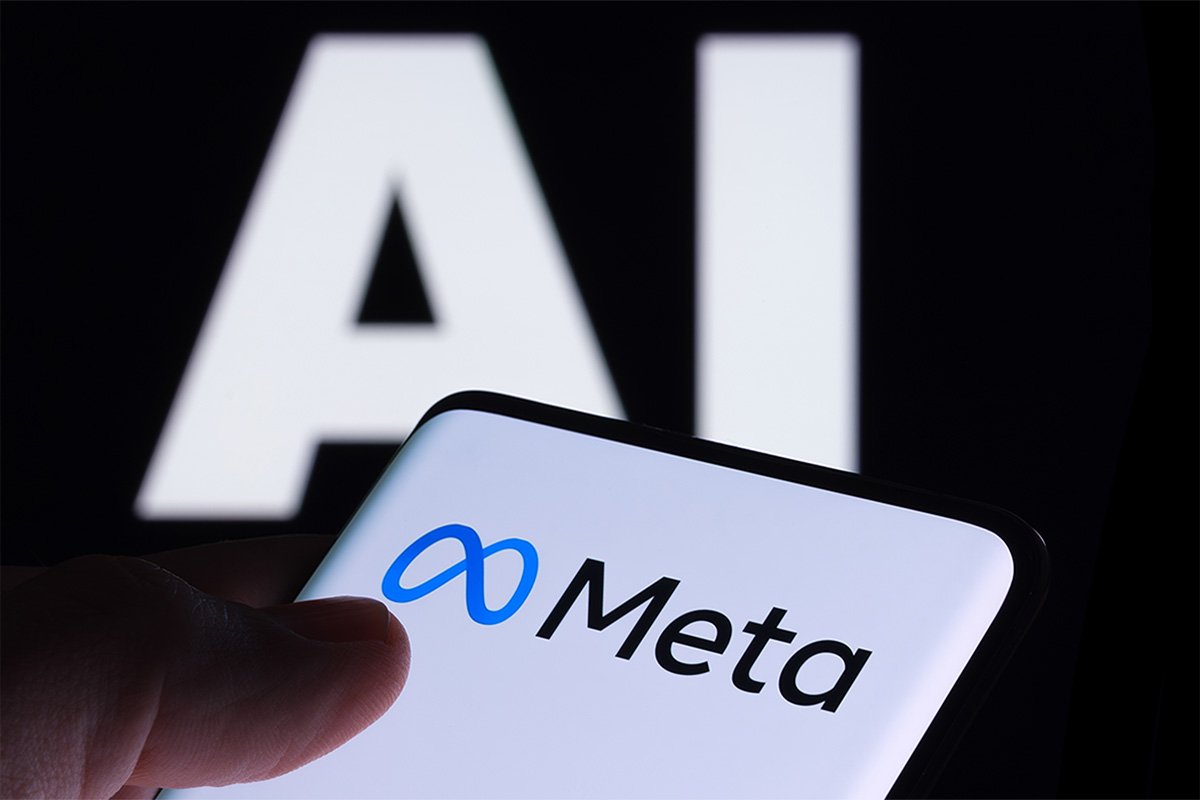
Meta AI Launches Video Editing Tools with 50 Presets
AI-Driven Video Editing Comes to Meta PlatformsMeta has rolled out new video editing tools across the Meta AI app, the Meta.ai website, and its CapCut competitor, Edits. These tools let users creatively transform 10-second videos using 50 preset AI prompts that change costumes, locations, and visual styles From Comic Books to Rainy Days – Explore 50 PresetsThe presets include imaginative effects like turning a clip into a “vintage comic book style,” creating rainy-day lighting, or dressing someone in a space cadet suit. Meta designed these features based on direct input from creators to make editing fast, fun, and accessible. Direct Sharing to Instagram and FacebookUsers can instantly share their creations to Facebook and Instagram directly from both the Edits app and the Meta AI app. Meta aims to keep creators within its ecosystem by offering seamless integration and creative flexibility. ALSO SEE : Google Updates Gemini 2.5 Pro with Better Coding Skills Inspired by Movie Gen AI, Built for EveryoneWhile Meta didn’t confirm whether it’s using its Movie Gen AI models behind the scenes, it did emphasize that these new tools take inspiration from that technology. Meta wants users to explore video creativity with minimal effort. More Customization Options Coming SoonThe company plans to expand customization options later this year. It’s pushing these tools to help users reimagine family memories, boost social media engagement, and create fresh content without relying on third-party platforms. Meta Doubles Down on Creative AIAlready known for its image generation tools, Meta is now making a strong move into video. By enhancing its AI suite with editing features, the company is positioning Meta AI as a go-to tool for creators in the age of generative media. Sources ( Techcrunch )

Google Offers Buyouts Amid Restructuring Push
Moves Away from Layoffs After Cutting 200 Jobs in May After laying off over 200 employees in May, Google has shifted gears. The tech giant now offers voluntary buyouts to employees across several divisions, signaling a quieter—but strategic—restructuring move. Teams in Search, Ads, Commerce, Engineering, Marketing, and Research now face buyout options instead of layoffs. ALSO SEE : Google Unveils Veo 3: AI That Generates Video and Soundtracks Targeting the Knowledge & Information Division Google aims these buyouts at employees under the Knowledge & Information (K&I) umbrella, as reported by CNBC. Rather than enforce mass layoffs, the company wants to streamline operations by nudging disengaged or underperforming employees toward an exit. K&I head Nick Fox told staff in an internal memo that the program offers a respectful option for those ready to move on. For high performers, Fox emphasized the company’s ambitious goals and the heavy workload ahead. Remote Work Now Comes With Conditions The buyout initiative ties closely to Google’s ongoing shift in remote work policy. Employees who live within 50 miles of a Google office now feel pressure to return to a hybrid schedule. Though framed as encouragement, this move suggests that workers unwilling to adapt may find the buyout path more appealing. It’s part of Google’s broader return-to-office strategy, with flexibility shrinking by design. Budget Cuts Hit Training, AI Skills Take Priority Google isn’t just reducing headcount—it’s cutting internal training budgets too. The company has started sidelining programs it sees as non-essential. Instead, it’s prioritizing AI-focused skill development, reinforcing its long-term AI-first strategy. Employees whose roles don’t align with this vision may find themselves on the margins, as the company tightens its focus on future-ready teams. A Quieter, But Impactful Restructuring While the buyouts keep headlines quieter than mass layoffs, the impact runs deep. Google continues reshaping its workforce to meet evolving goals. The shift reveals more than just a staffing change—it’s a cultural reset. One where alignment with AI, in-office presence, and high productivity now drive job security at one of the world’s largest tech firms. Sources ( Mashable India )

Apple Brings Back Tabs to Photos App in iOS 26
Apple Restores Tabs in Photos App with iOS 26 Update Apple listened to user feedback and brought tabs back to the Photos app in its latest iOS 26 update. The move follows widespread criticism of the redesign introduced in iOS 18. Tabbed Interface Returns—But With a Twist Craig Federighi, Apple’s Senior Vice President of Software Engineering, acknowledged user frustration during WWDC 25. “Many of you missed using tabs in the Photos app,” he said while introducing the update. In iOS 26, the app includes two new tabs: Library and Collections. Library and Collections Tabs Explained The Library tab simplifies photo browsing by organizing recent images in a familiar, scrollable layout.The Collections tab groups favorites, albums, and search tools in one convenient place, offering easier navigation and better organization. ALSO : Apple to Replace Game Center with New Gaming App iOS 18 Redesign Faced Backlash When Apple overhauled the Photos app in iOS 18, users lost the ability to navigate easily through tabs. The company combined everything into a single, dense interface—prompting backlash.Some developers even created third-party apps to mimic the older design, charging users for the familiar layout. Photos Go 3D with Spatial Feature Apple also introduced an eye-catching new feature: the ability to turn 2D photos into 3D spatial images.This update draws inspiration from the Vision Pro spatial computing headset. iPhones with iOS 26 now display spatial photos directly on the updated Lock Screen. Camera App Gets a Smarter Layout The iOS 26 update doesn’t stop at Photos. Apple redesigned the Camera app to improve usability.Now, users see their two most-used modes—Photo and Video—right on the main screen. Swiping left or right reveals additional options like Portrait Mode and Cinematic Mode. Easy Access to Key Camera Settings To adjust settings such as flash, timer, or aperture, users can swipe up from the bottom.Apple also added a simple tap-to-switch feature for changing formats, making it easy to toggle between HD and 4K or modify video frame rates. A Step Closer to User-Friendly Design With these updates, Apple aims to rebuild trust with users who felt left out after the iOS 18 redesign.The new tabbed layout and smarter tools in Photos and Camera signal a return to function-driven design—without sacrificing innovation. Source : ( Techcrunch )
