

At Copenhagen’s Bella Center, every seat was filled as Anton Osika, co-founder of AI coding startup Lovable, took the stage at this year’s TechBBQ conference. The company is a leader in the fast-growing “vibe coding” space, where users guide AI models to create apps, websites, and even full-scale software products. ALSO SEE : Google Preferred Sources: Personalize Search Results From Startup to Unicorn in Eight Months Lovable’s growth has been nothing short of extraordinary. In just eight months, the Swedish company: The Financial Times reports that investors are already offering terms for a $4B Series B though Lovable has shown no signs of rushing into it. A Bigger Vision: Building AI-Native Companies Osika shared his vision of Lovable as more than just a coding assistant. He sees it becoming a platform for founders, handling everything from: In June, Lovable launched a new AI agent capable of reading files, debugging errors, searching the web, generating images, and managing files the first step toward this broader mission. Explosive User Growth Today, Lovable boasts: Osika explained that pricing was designed simply to cover operating costs. Popular use cases include: “In the past, you could create a great first draft. Now, you can build a full product much more like working with a real developer,” Osika said. Addressing AI Code Criticism Skeptics argue AI-generated code is brittle, suitable for demos but not production. Osika dismissed the concern:“All code should be reviewed before publishing whether written by humans or AI.” Lovable currently integrates Anthropic’s Claude and OpenAI’s GPT-5, though both providers also run competing services. Why Lovable Believes It Has the Edge Osika emphasized that Lovable is model-agnostic, giving users access to multiple AI systems, while Anthropic and OpenAI are tied to their own stacks. “That puts us in a better position than them,” he said. “If we stay fast, secure, and easy to use, we’ll build more trust than anyone else.” Lovable vs. Figma Comparisons The buzz around Figma’s IPO (valued at $19.3B on day one) inevitably invites comparisons. But Osika shrugged off the competition:“As long as we’re listening to our users and giving them what they need, that’s all that matters.” ALSO SEE: OpenAI & Anthropic Unite on AI Safety Testing Deep Roots in Europe Lovable is proudly European, founded in Stockholm, and backed by top investors including: Angel investors include Nik Storonsky (Revolut) and Sebastian Siemiatkowski (Klarna) — whose company is also a Lovable client, alongside HubSpot and Photoroom. Impact on the European Startup Scene At TechBBQ, investors highlighted Lovable’s symbolic impact. Shamillah Bankiya, principal at Dawn Capital, noted:“The success of Lovable raises the bar for ambitious founders across Europe. Beyond jobs, it shifts the cultural mindset of what’s possible.” Paying It Forward: Osika as Investor Osika has begun investing in other founders, including Propane.ai, a Danish customer intelligence startup that just raised a $1.2M pre-seed. Founder Dennis Green-Lieber said Lovable proves Nordic teams can compete globally:“With a small team and relentless effort, you can still build a category-defining company. Lovable has lit a fire in our ecosystem.” Sources ( Techcrunch )
OpenAI & Anthropic Unite on AI Safety Testing
In a surprising move, two of the biggest names in AI OpenAI and Anthropic briefly set aside their rivalry to open up their tightly guarded models for joint safety testing. It’s a rare collaboration in an industry where billion-dollar bets, massive talent wars, and product competition often overshadow cooperation. The initiative was designed to uncover blind spots in each company’s own evaluations and show that cross-lab collaboration on safety is possible, even in the middle of an arms race to build the most powerful AI systems. ALSO SEE: OpenAI GPT-5 Launches with Smarter AI Features Why This Matters OpenAI co-founder Wojciech Zaremba told TechCrunch that collaboration like this is increasingly critical as AI enters what he calls a “consequential” phase of development. Millions of people interact with AI every day meaning that how these systems handle mistakes, safety issues, and human vulnerabilities could have very real impacts. “There’s a broader question of how the industry sets a standard for safety and collaboration,” Zaremba said, acknowledging that competition for users, researchers, and market dominance is still fierce. What They Found The joint study revealed some striking differences between the two companies’ models: ALSO SEE: Perplexity Offers $34.5B to Acquire Google Chrome This issue isn’t just academic. Recently, the parents of a 16-year-old boy, Adam Raine, filed a lawsuit against OpenAI, alleging that ChatGPT (powered by GPT-4o) provided advice that contributed to their son’s suicide instead of steering him toward help. Zaremba acknowledged the tragedy, warning against a future where AI can “solve complex PhD-level problems” but still fails at protecting vulnerable people. “That’s a dystopian future I’m not excited about,” he said. OpenAI claims that with GPT-5, it has made major progress in reducing sycophancy and improving responses in mental health scenarios. Competition and Collaboration: A Fragile Balance Interestingly, while OpenAI and Anthropic granted each other special API access to run these tests, the truce didn’t last. Anthropic later revoked OpenAI’s access after accusing the company of violating its terms of service by using Claude models in ways that could improve competing products. Still, both Zaremba and Nicholas Carlini, a safety researcher at Anthropic, emphasized their desire to keep pushing for collaboration at least on the safety front. “We want to increase collaboration wherever possible across the safety frontier,” Carlini said. “Ideally, this becomes something that happens more regularly.” Looking Ahead As AI systems grow more powerful and integrated into daily life, the stakes couldn’t be higher. If OpenAI and Anthropic can keep collaborating even while competing head-to-head it could set a precedent for the entire industry. Because at the end of the day, users don’t just need smarter AI. They need safer AI. Sources ( Techcrunch )
Google & Grok Catching Up to ChatGPT: a16z AI Report 2025
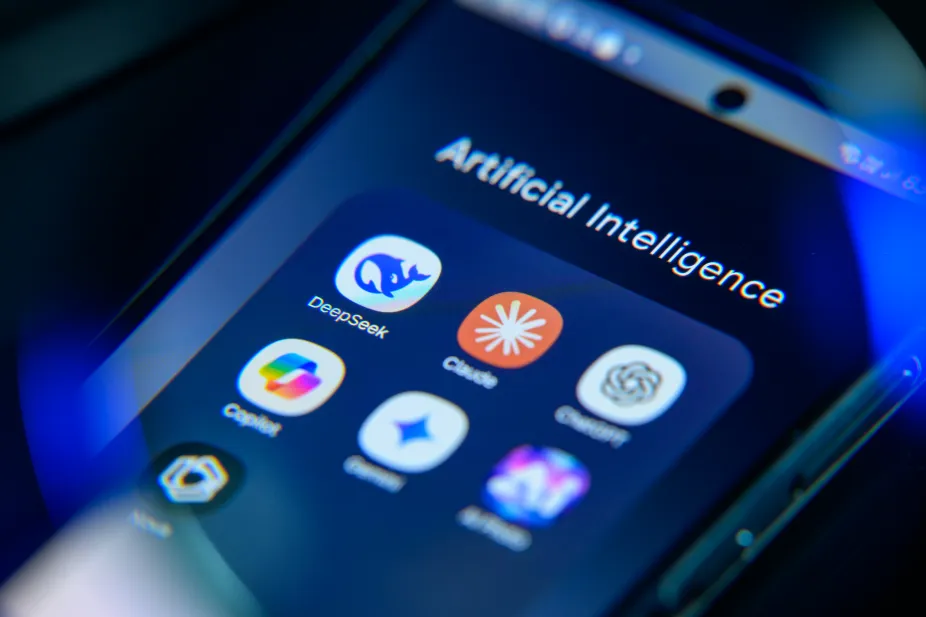
The consumer AI landscape is evolving rapidly — and according to the latest report from Andreessen Horowitz (a16z), the gap between OpenAI’s ChatGPT and its rivals is narrowing. Now in its fifth edition, the report provides more than two years of data on how consumers are adopting AI products. For the fifth time, ChatGPT remains the leading product, but challengers like Google’s Gemini, xAI’s Grok, and Meta AI are gaining ground. The Top AI Players Holding Strong Fourteen companies appeared consistently across all five reports, underscoring their staying power in the AI ecosystem. These include: These platforms represent a wide mix of use cases — from general assistance and creative generation to image/video editing, productivity tools, and model hosting. Meanwhile, Claude, DeepAI, Janitor AI, Pixelcut, and Suno have appeared in every edition since the second report, further cementing their role in AI companionship, editing, and music generation. Google Steps Into the Spotlight For the first time, Google made significant gains, placing four of its AI products on the top consumer AI web list: Gemini, in particular, is emerging as a major competitor: AI Studio secured the 10th spot, while NotebookLM and Google Labs ranked #13 and #39 respectively. Grok’s Rapid Rise xAI’s Grok is another standout. Originally launched on X (Twitter), Grok didn’t even have a standalone app in 2024. Fast forward to mid-2025, it now boasts 20M+ monthly active users. Meta AI Faces Challenges Meta AI has seen slower adoption compared to Gemini and Grok: Trust issues appear to be a factor, after revelations that Meta AI had shared some user posts publicly without clear consent. Chinese AI Players Gain Ground Chinese companies are also making waves: Additionally, global exports such as DeepSeek, Hailuo, Kling, SeaArt, Cutout Pro, Manus, and Monica are seeing traction outside of China. New Entrants & Rising Stars Several startups are beginning to make their mark: Key Takeaway The AI race is no longer dominated by a single player. While ChatGPT still holds the lead, Google’s Gemini and xAI’s Grok are catching up quickly, and regional players — especially in China — are carving out meaningful market share. With innovation accelerating across text, image, video, and productivity use cases, the AI ecosystem is becoming more diverse, competitive, and global than ever before. Sources (Techcrunch )

YouTube Hype Feature Boosts Small Creators
YouTube has officially taken its new fan-driven discovery tool, “Hype,” global. The feature, which was first teased at Google’s Made On YouTube event in 2024, is now live in 39 countries including the U.S., U.K., Japan, Korea, Indonesia, and India. The move signals YouTube’s latest effort to help smaller creators break through the noise, while also offering fans a more active role in shaping what content rises to the top. What Exactly Is “Hype”? At its core, Hype is a fan-powered boost button. It appears right below the standard “like” button and allows viewers to hype a video they believe deserves more visibility. Each hype adds points to the video, which then helps it climb up a new ranked leaderboard inside the Explore tab. But there are limits: Videos that gain traction from hypes earn a “hyped” badge a signal to other viewers that the community is rallying behind that creator. Fans can even filter their YouTube Home feed to see only hyped content, making it easier to discover rising voices. A Win-Win for Fans and Creators For fans, Hype is more than just pressing a button it’s about feeling directly connected to a creator’s journey. YouTube will even notify fans if a video they hyped is on the verge of hitting the leaderboard, giving them a sense of contribution to that creator’s momentum. There’s also a reward system. Fans who consistently support creators can earn a monthly “hype star” badge, a small but meaningful way to showcase their role in pushing content forward. For creators, the benefits are obvious: YouTube’s Bigger Play On the surface, Hype is about empowering smaller creators, but there’s also a clear business angle. YouTube confirmed it is already testing paid hypes in Brazil and Turkey, which would allow fans to purchase additional boosts for videos they love. This mirrors other monetization experiments across the creator economy — think of TikTok’s “Boost” or Twitch’s paid cheering. If expanded globally, paid hypes could become a new revenue stream for YouTube while giving superfans a way to invest more heavily in their favorite channels. What’s Next for Hype YouTube isn’t stopping here. The company is actively developing: This suggests YouTube wants Hype to become not just a button, but a cultural layer on the platform one where discovery feels more organic, community-driven, and rewarding for everyone involved. Why It Matters Discovery has always been a pain point for smaller creators. Algorithms can feel unpredictable, and breaking through when you’re under 500k subscribers is often a matter of luck, timing, or external promotion. Hype could change that dynamic by giving fans the power to elevate voices they believe in. It adds a layer of human curation on top of YouTube’s algorithm, rewarding creators who foster passionate communities rather than just chasing trends. At the same time, it sets the stage for a new monetization model — one that taps into fan loyalty and turns engagement into revenue. If successful, Hype could reshape how creators grow, how fans interact, and how YouTube positions itself against rivals like TikTok and Twitch. With Hype, YouTube isn’t just adding another engagement button. It’s experimenting with community-led discovery, creator empowerment, and fan investment — all in one. For fans, it’s a chance to say: “I was part of this creator’s success story.”For creators, it’s a new shot at visibility in a platform that often feels crowded.And for YouTube, it’s a smart way to keep both groups invested in the ecosystem — emotionally and, eventually, financially. The real test will come as paid hypes roll out more widely. Will fans embrace the chance to buy influence, or will the feature only thrive when it’s purely organic? Either way, YouTube has just made discovery on its platform a lot more interactive. Sources: ( Techcrunch )

Google to Verify All Android App Developers
Google is introducing a sweeping change to how Android apps are distributed. Beginning in 2026, the company will enforce developer identity verification not just for apps published on the Google Play Store, but also for those distributed through third-party app stores and direct sideloading. This marks one of the most significant updates to Android’s open ecosystem in years, signaling Google’s attempt to balance the platform’s flexibility with growing concerns around malware, fraud, and user data safety. Why the Change? Unlike Apple’s tightly controlled iOS environment, Android has always prided itself on being open allowing users to install apps from virtually anywhere. While this flexibility fuels innovation and offers consumers more choice, it also leaves the door open for bad actors. According to Google’s internal data, malware is 50 times more likely to be delivered through apps sideloaded from the internet than through the Play Store. Fraudsters have used anonymity to their advantage, distributing harmful apps that steal personal data or conduct financial scams. By requiring developers to verify their legal identity, Google aims to reduce these risks and make it harder for malicious publishers to hide behind false or disposable identities. How the Rollout Will Work Google’s new system will be introduced gradually to give developers time to adapt. To comply, developers must provide: For independent developers and hobbyists, this could mean registering as a business entity to protect personal information from being publicly associated with apps. ALSO SEE: Made by Google 2025: Pixel 10 & More A Nod to Students and Hobbyists Acknowledging that not all developers are commercial entities, Google will also introduce a separate type of Android Developer Console account tailored for students and hobbyists. These accounts will come with different requirements, ensuring that casual creators still have room to experiment without facing the same obligations as larger companies. Industry Context: Following Apple’s Lead This move isn’t happening in isolation. Earlier this year, Apple implemented a similar requirement for app developers in the EU as part of the Digital Services Act (DSA). The DSA compels app publishers to disclose their “trader status” when submitting apps or updates, furthering a broader industry shift toward accountability and transparency in digital marketplaces. By following a similar path, Google is signaling that openness can no longer come at the expense of security. What It Means for the Android Ecosystem The upcoming verification system has the potential to reshape the Android developer community in several ways: The Bigger Picture Android’s open nature has always been both its greatest strength and its greatest weakness. Google’s latest move shows the company is no longer willing to tolerate the risks that come with unchecked anonymity. For developers, this means adapting to a new era where trust and identity verification are as important as innovation. For users, it promises a safer app ecosystem that still preserves the flexibility Android is known for. As the rollout progresses into 2027 and beyond, the industry will be watching closely to see whether this balance between openness and security truly works—or if it creates new tensions within the Android ecosystem. Sources ( Techcrunch )
US Govt to Buy 10% Stake in Intel
In a stunning policy shift, President Donald Trump confirmed Friday that the U.S. government will take a 10% equity stake in Intel, a move that not only jolted financial markets but also signaled a potentially new era of government involvement in America’s most critical technology sector. The news, first reported by Bloomberg, pushed Intel’s stock up more than 7% in afternoon trading. While Intel declined to comment, the announcement immediately stirred debate among investors, policymakers, and industry watchers. A Break from Tradition Historically, the United States has avoided taking ownership positions in private corporations. The government’s role has typically been regulatory, not participatory, leaving markets to allocate resources with minimal intervention. The few exceptions such as the 2008–2009 financial crisis, when the U.S. Treasury temporarily took stakes in General Motors, AIG, and several major banks, were framed as emergency measures to stabilize collapsing markets. Those stakes were systematically sold off once the companies regained stability. This Intel deal is different. It is not born of a market meltdown or imminent bankruptcy. Instead, it appears to be a strategic intervention, positioning the U.S. as a direct partner in one of its most geopolitically significant tech firms. ALSO SEE: OpenAI’s GPT-5 Rollout: Fixes, GPT-4o Return & Chart Glitch Intel’s Critical Crossroads For Intel, the timing could not be more consequential. Under CEO Lip-Bu Tan, the company has been undergoing a painful restructuring. Entire divisions have been shuttered, layoffs have hit large segments of the workforce, and Intel has been forced to reckon with years of underperformance compared to its rivals. The starkest contrast has been with Nvidia, which has surged ahead in artificial intelligence, GPUs, and high-performance computing — sectors that have become synonymous with the future of global tech competition. Intel, once the undisputed king of silicon, now finds itself in a fight to stay relevant. President Trump himself acknowledged the comparison during remarks to the White House press pool, saying: “Intel’s been left behind as, you know, compared to Jensen [Huang] and some of our friends at Nvidia.” Politics Meets Silicon Valley The announcement also comes after weeks of political drama. Earlier this month, Trump openly pushed for Tan’s resignation over perceived conflicts of interest. While Tan ultimately stayed on, he met with the president soon after, apparently smoothing relations. Trump described their conversation as candid but productive: “I liked him a lot. I thought he was very good. I thought he was somewhat a victim … but you know nobody’s a total victim. And I said, you know what, I think the United States should be given 10% of Intel. And he said, I would consider that. … He agreed. And they’ve agreed to do it and I think it’s a great deal.” The remarks suggest the ownership stake was born not from formal industrial policy planning, but from direct presidential negotiation — a highly unusual origin story for a deal of this magnitude. Global Investment Pressures Adding to the intrigue, this government stake follows SoftBank’s $2 billion investment in Intel earlier this week. The Japanese conglomerate agreed to purchase shares at $23 per share, framing the move as a commitment to advancing U.S.-based semiconductor technology. Intel’s stock, buoyed by both announcements, traded near $25 on Friday afternoon. The combination of foreign and domestic government involvement underscores Intel’s unique position as a company caught between Wall Street expectations and national security priorities. Why This Matters The semiconductor industry has become one of the most strategically sensitive sectors in the global economy. Chips power everything from smartphones to fighter jets, and the ongoing U.S.–China technology rivalry has elevated semiconductors to the level of national security assets. By taking a direct ownership position in Intel, the U.S. is sending a signal: This deal could set a precedent for future government interventions in other strategically critical firms. What’s Next for Intel and the U.S. Open questions remain. Will the government hold the Intel stake long-term, or will it follow the 2008 playbook and divest once Intel stabilizes? Will Washington demand a say in Intel’s governance, or act as a silent partner? And how will competitors — particularly Nvidia and AMD — respond to the implicit backing Intel now enjoys? For Intel, the short-term impact is clear: a surge of confidence from investors and a new, powerful partner in Washington. But the long-term implications are murkier. With government ownership comes scrutiny, politics, and expectations that may reshape how the company operates. For the U.S., the move represents a radical departure from laissez-faire orthodoxy. If successful, it could embolden policymakers to pursue similar strategies in other sectors deemed critical to America’s technological leadership. If it backfires, critics will point to it as proof of why the government should never sit at the corporate table. The U.S. government’s decision to acquire 10% of Intel isn’t just about one company. It’s about redefining the relationship between Washington and Silicon Valley, and recognizing that in the 21st century, control over technology is as important as control over energy or defense. Intel’s future — and perhaps America’s tech trajectory — now has a new, unlikely shareholder: the United States itself. Sources ( Techcrunch )
Meta AI Voice Translations Go Global
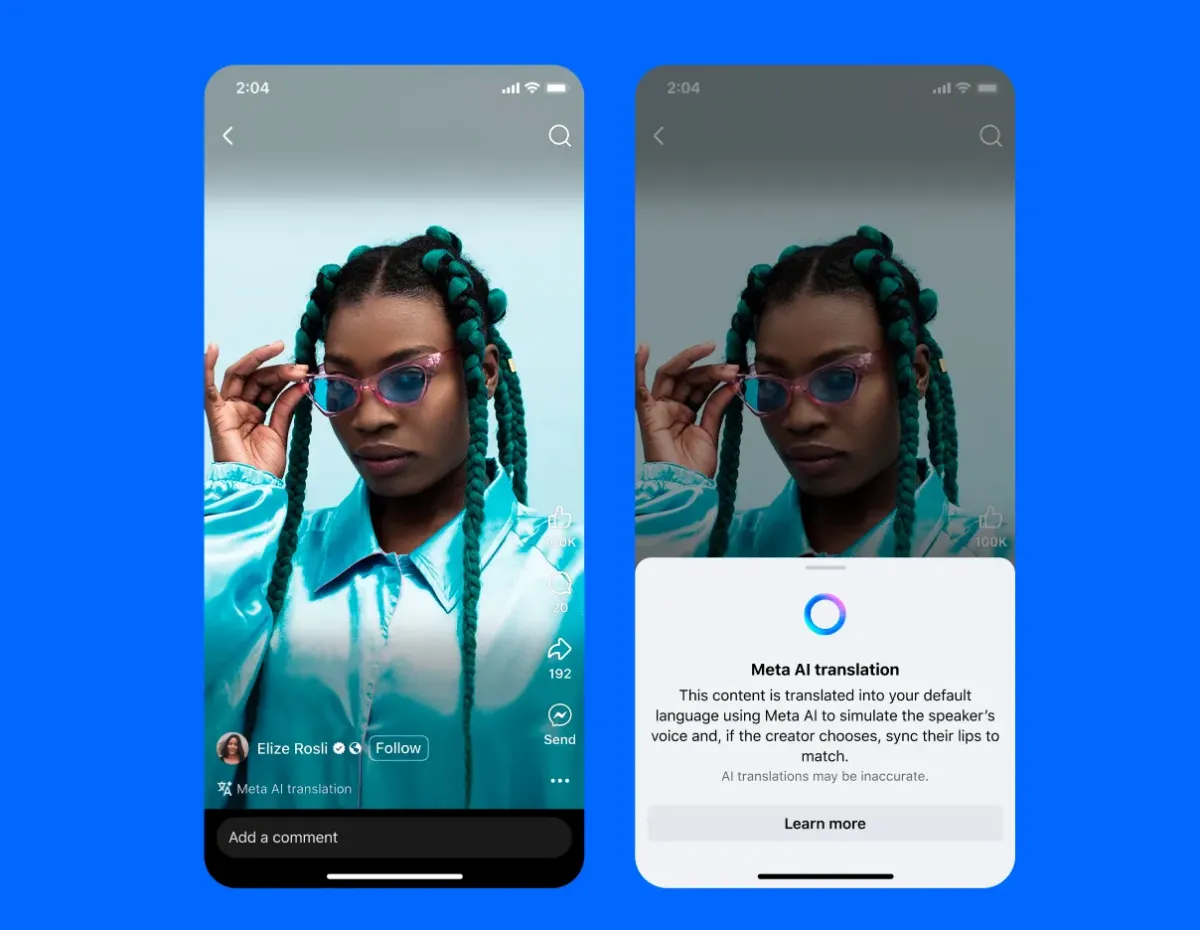
Meta is making a big move to break down language barriers on social media. The company has officially launched its AI-powered voice translation tool for Facebook and Instagram creators, bringing new ways to connect with audiences across cultures and geographies. The rollout, announced this week, marks one of Meta’s most ambitious steps yet in blending artificial intelligence with content creation. The feature is now available globally in regions where Meta AI is supported. At its core, the tool allows creators to instantly translate their content into another language — while keeping their own voice and vocal style intact. A Leap Beyond Subtitles For years, creators and influencers have relied on subtitles or third-party dubbing to reach new audiences. But Meta’s latest AI innovation goes a step further. Instead of a generic synthetic voice, the translations preserve the creator’s natural voice, complete with tone and inflection. This makes the dubbed version feel more personal and authentic. Viewers don’t just hear the translation they hear it as though the creator themselves is speaking directly in their language. Meta has also introduced an optional lip-sync feature, which aligns the translated audio with the speaker’s mouth movements. This extra touch makes the video feel smoother and more natural, cutting down on the awkwardness often associated with dubbed content. At launch, translations are supported between English and Spanish — two of the most widely spoken languages on social media. The company says more languages will be added in the future, though it has not yet shared a roadmap. How Creators Can Use It The process is simple and fully integrated into the posting flow. When uploading a reel, creators will see the option to “Translate your voice with Meta AI.” From there, they can: Once published, the translated version is immediately available to viewers. Reels that use AI translation carry a small label at the bottom of the screen, letting audiences know that Meta AI was used. For those who prefer to see only original content, the option to disable translated reels is available in settings. Insights That Go Beyond Numbers Meta is pairing this tool with deeper analytics for creators. Inside the Insights dashboard, creators can now view their audience breakdown by language. This new metric shows how much of their engagement is coming from translated content, offering a clearer picture of how global their reach really is. As the feature expands to more languages, these insights could become invaluable for creators who are looking to scale their brand across borders. Tips for Best Performance Like any AI tool, the quality of the results depends on the input. Meta has shared a few best practices for creators who want the most natural translations: These guidelines help the AI capture voice patterns more accurately and generate smoother lip-sync translations. Extra Options for Facebook Creators On Facebook, creators have an additional advantage. Through the Meta Business Suite, they can upload up to 20 dubbed audio tracks in different languages to a reel. Unlike the AI feature, these tracks can be added before or after publishing. This manual option gives creators more flexibility to tailor content for multilingual audiences, especially in cases where precise cultural nuances matter. Why This Matters for Creators For content creators, language has long been one of the biggest barriers to growth. Even if a video goes viral in one region, it may fail to gain traction in another simply because of language differences. By automating translations while keeping the creator’s own voice, Meta is effectively giving creators a passport to reach entirely new communities. Instagram head Adam Mosseri summarized this vision in a post: “We believe there are lots of amazing creators out there who have potential audiences who don’t necessarily speak the same language. If we can help you reach across cultural and linguistic barriers, we can help you grow your following and get more value out of Instagram and the platform.” A Strategic Move in AI The timing of this launch also highlights Meta’s broader strategy in artificial intelligence. Reports suggest the company is restructuring its AI division to focus on four core areas: Voice translation fits neatly into the product category, showcasing how Meta is turning cutting-edge AI into user-friendly tools that directly impact creator growth. It’s also a competitive play. TikTok, YouTube, and other platforms are experimenting with translation and dubbing features, but Meta’s decision to use AI voice cloning and lip-syncing could give it an edge in creator adoption. The Road Ahead While English and Spanish are just the starting point, the potential for this technology is massive. Imagine a Japanese creator instantly connecting with audiences in Brazil, or a Brazilian chef reaching food lovers in France all without needing to learn another language. As more languages roll out, this could fundamentally reshape how creators think about content distribution. For audiences, it could mean that cultural and linguistic walls become less relevant, and global content feels more accessible than ever before With AI-driven voice translations, Meta isn’t just rolling out another feature — it’s signaling a future where content knows no borders. If executed well, this could be one of the most impactful creator tools the company has ever released. sources ( Techcrunch )
Made by Google 2025: Pixel 10 & More
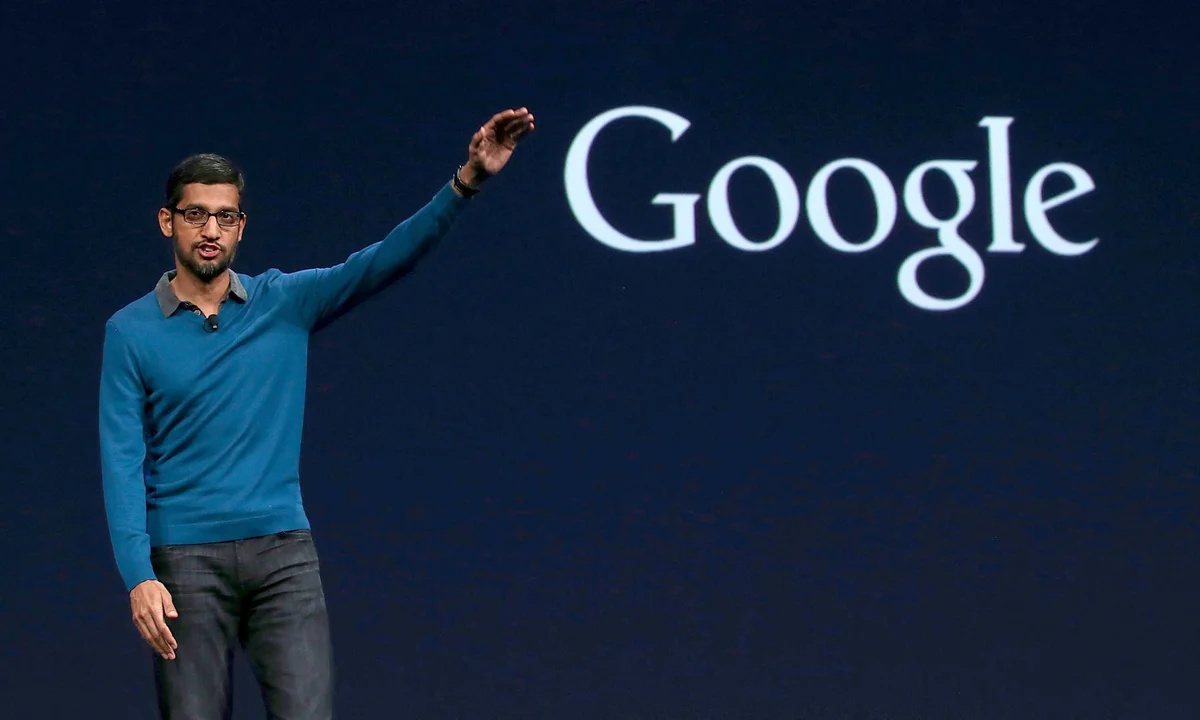
Google is gearing up for its much-anticipated Made by Google 2025 event, set to be livestreamed on the official Made by Google YouTube channel. Scheduled for Wednesday at 10 a.m. PT, the event promises new devices, fresh AI features, and a few surprises—all hosted by none other than comedian Jimmy Fallon. Here’s everything you need to know about how to watch and what’s expected from this year’s big showcase. How to Watch the Made by Google 2025 Event The keynote will be streamed live on Google’s official Made by Google YouTube channel. Fans around the world can tune in for free, and Techxnow will provide live updates, key highlights, and product announcements as they unfold. The Star of the Show: Pixel 10 Series The biggest reveal of the day is set to be the Pixel 10 lineup, which will likely include: With Google’s growing investment in AI-powered smartphones, the Pixel 10 family is expected to showcase the next level of integration with Gemini AI models. Pixel Watch 4: Longer Battery Life and Faster Charging Wearables are also expected to take the spotlight, with Google rumored to launch the Pixel Watch 4. Key improvements may include: These upgrades could make the Pixel Watch 4 a strong competitor in the smartwatch market. New Pixel Buds and Audio Upgrades Google may also refresh its audio lineup, with rumors pointing to the debut of the Pixel Buds 2a. Expected improvements include: This update could give Pixel users a more seamless experience across devices. AI Features Powered by Gemini Beyond hardware, Google is expected to double down on AI advancements. The Pixel 10 series may come equipped with new Gemini-powered features, improving everything from photography and productivity to real-time language translation. The Made by Google 2025 event is shaping up to be a major moment for the company. With the Pixel 10 lineup, Pixel Watch 4, new earbuds, and powerful AI tools on the way, Google is signaling a strong push to define the next era of connected devices. Stay tuned to Techxnow for live coverage, in-depth analysis, and first impressions of everything Google unveils at the event. sources (Techcrunch)
OpenAI Launches ChatGPT Go Plan in India
OpenAI has announced the launch of ChatGPT Go, a new subscription plan designed exclusively for India. Priced at ₹399 per month ($4.60), this plan offers a budget-friendly alternative to the existing ChatGPT Plus plan that costs ₹1,999 ($23) monthly. The introduction of this tier is a clear signal that OpenAI recognizes India’s importance as a key growth market. While ChatGPT Plus has been widely used across the globe, its pricing in local Indian currency has been comparatively higher than the $20 standard rate in the U.S. This created a barrier for many users. ChatGPT Go aims to remove that friction and bring advanced AI tools within reach of a much larger audience. Seamless Payments with UPI Another notable update is the integration of UPI (Unified Payments Interface), India’s most popular digital payment framework. This move ensures that subscriptions are not only cheaper but also easier to purchase. For a country where UPI dominates online transactions, this step makes subscribing to ChatGPT far more convenient. By aligning with local payment preferences, OpenAI is showing a deeper understanding of the Indian market — an approach that could set a new standard for global tech rollouts. What Does ChatGPT Go Include? Unlike the free tier, ChatGPT Go offers significantly enhanced usage limits and personalization features. Key Benefits: Nick Turley, VP at OpenAI and Head of ChatGPT, highlighted the intent behind this new plan: “Making ChatGPT more affordable has been a key ask from users. We’re rolling out Go in India first and will learn from feedback before expanding to other countries.” India: OpenAI’s Second Biggest Market OpenAI’s decision to launch Go in India first is no accident. CEO Sam Altman recently revealed that India has become the company’s second-largest market globally. Some key stats underscore this: The Go plan addresses this gap directly, offering an affordable bridge between free access and the more premium Plus plan. The Bigger AI Battle in India India, with its 850+ million internet users, is the next major battleground for AI companies. OpenAI is not alone in recognizing this opportunity. These moves highlight a common theme: AI companies are competing not just for global dominance but also for mindshare in India — where the scale of internet adoption is unmatched. Why ChatGPT Go Matters The launch of ChatGPT Go is more than just a pricing change. It represents OpenAI’s commitment to accessibility and inclusion in AI adoption. By lowering costs and enabling UPI payments, OpenAI is breaking down barriers that often prevent users in emerging markets from fully accessing cutting-edge technology. This step could: Looking Ahead While ChatGPT Go is currently geo-restricted to India, OpenAI has confirmed that it intends to expand the plan to other countries in the near future. The feedback and adoption patterns in India will likely shape how this plan evolves globally. If successful, ChatGPT Go could set a precedent for localized AI subscription models — where affordability, local payment methods, and regional strategies define how AI tools are adopted worldwide. India’s AI journey is only just beginning, and with the launch of ChatGPT Go, OpenAI is making a bold bet on the country’s digital future. By offering a high-value, low-cost subscription, the company isn’t just chasing revenue — it’s investing in a long-term relationship with one of the world’s largest internet populations. Sources (Techcrunch )
OpenAI’s Future Beyond GPT-5: Altman’s Big Vision
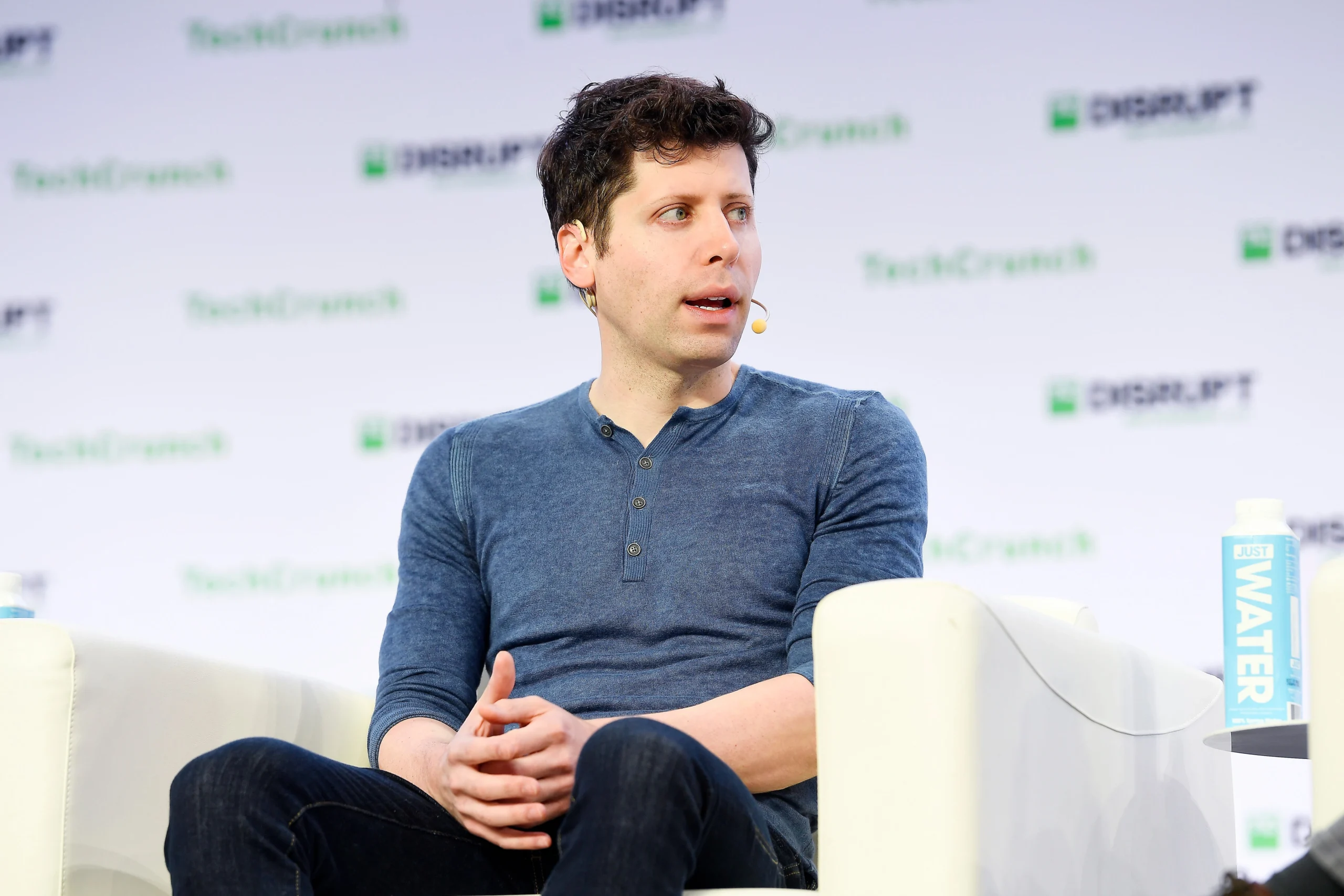
At a Mediterranean restaurant in San Francisco overlooking Alcatraz Island, Sam Altman set the stage for what felt less like a casual dinner and more like a strategic briefing. The OpenAI CEO had gathered about a dozen tech reporters for an on-the-record meal (and, curiously, an off-the-record dessert). From the moment Altman walked in — bare iPhone in hand, joking about cases being unnecessary — the evening carried an unusual mix of casual charm and high-stakes messaging. The night wasn’t really about fish entrées or lamb skewers. It was about signaling where OpenAI goes from here, especially in the wake of a rocky reception to GPT-5. GPT-5’s Mixed Reception Launched with years of anticipation, GPT-5 was expected to surpass its predecessors in a leap forward. Instead, it has been described as a solid step — one that keeps pace with competitors like Google’s Gemini and Anthropic’s Claude, but doesn’t blow past them as GPT-4 once did in 2023. The rollout stumbled when OpenAI quietly deprecated GPT-4o without warning, frustrating users. Altman himself admitted: “I legitimately just thought we screwed that up.” VP of ChatGPT Nick Turley added that OpenAI is now learning from user reactions. The company is rolling out updates to make GPT-5’s responses feel “warmer” without tipping into sycophancy. “Many people liked that ChatGPT would actually check in with you,” Turley said, contrasting this with GPT-5’s initial robotic directness. Behind the lighthearted dinner table talk was a serious acknowledgment: user trust matters, and OpenAI knows it cannot afford to alienate its massive base. Shifting the Spotlight Beyond Models Yet it became increasingly clear that the dinner wasn’t really about GPT-5. Altman and his team wanted to steer the conversation elsewhere — toward OpenAI’s expanding ambitions that stretch well beyond large language models. Consumer Apps on the Horizon OpenAI’s incoming CEO of applications, Fidji Simo, will soon lead efforts to launch entirely new consumer products. Rumors suggest this could include: Altman even entertained the idea of buying Chrome outright if it were ever up for sale — a bold, if unlikely, move that underlines OpenAI’s appetite for scale. A Beautiful Device with Jony Ive Altman also spoke of the upcoming hardware project being developed with legendary Apple designer Jony Ive. With a playful warning that putting a case on it would be a crime against design, Altman positioned the device as something too beautiful to cover — a piece of hardware meant to redefine how we interact with AI in daily life. Brain Chips and Neural Interfaces The evening also confirmed OpenAI’s interest in Merge Labs, a brain-computer interface startup that would compete with Elon Musk’s Neuralink. Though no deal has been signed, Altman described it as a company he’d “like us to” invest in. Whether such an investment will tie deeply into OpenAI’s models or remain independent remains unclear, but it highlights OpenAI’s growing interest in the frontier of human-computer integration. Demand is Surging Despite Criticism For all the questions around GPT-5’s reception, one fact stands out: usage is skyrocketing. Altman revealed that within just 48 hours of launch, API traffic doubled, straining OpenAI’s GPU resources to the point where the company is “effectively out of GPUs.” Tools like Cursor and other coding assistants have already made GPT-5 their default model. It’s a striking contradiction: critics call GPT-5 underwhelming, but adoption is breaking records. Balancing Human Impact A quieter but crucial thread in the dinner conversation centered on how people — especially vulnerable users — relate to ChatGPT. Altman estimated that less than 1% of ChatGPT users have “unhealthy relationships” with the chatbot. That still translates to tens of millions of people. To address this, OpenAI has worked with mental health experts to evaluate GPT-5’s answers and ensure the model pushes back against reinforcing negative behaviors. It’s a reminder that as OpenAI scales, the human side of AI use cannot be ignored. The Bigger Picture: OpenAI as the Next Tech Giant As the evening wound down, it became increasingly clear that OpenAI wants to shed the identity of being “just the ChatGPT company.” The company is already making bets in: Altman’s vision is bold: to build a company that could rival Alphabet, not just in scope but in diversity of influence. Preparing for a Public Future All of these ambitions require one thing: massive amounts of capital. Altman dropped hints that going public could be part of OpenAI’s roadmap to fund data centers, hardware, and frontier AI research. For now, the dinner felt like a pitch — not just to the media, but to the world. A pitch that OpenAI’s most important chapter hasn’t been written yet. The evening reflected OpenAI’s current paradox: a flagship product facing criticism, yet record adoption; a company still building models, but dreaming far beyond them. Altman isn’t just selling GPT-5. He’s selling a future where OpenAI becomes the defining company of the next technological era — spanning apps, hardware, brain interfaces, and beyond. The question is whether the world is ready to follow him there. Sources ( Techcrunch )
