

A Moonshot Move in the Browser Wars In a surprise twist to the ongoing tech power plays, AI search engine Perplexity has offered Google $34.5 billion in cash to acquire Chrome. The unsolicited bid — confirmed by Perplexity — also includes a pledge to keep Chrome’s engine, Chromium, open source, with an additional $3 billion earmarked for its continued development. A Promise to Keep Google Search as Default Perhaps the most surprising element of the offer: Perplexity says it won’t change Chrome’s default search engine. That means Google Search would remain the default for hundreds of millions of users, even under new ownership. The DOJ’s Role and a Forced Sale Possibility The bid lands amid heavy legal pressure on Google. In March, the U.S. Department of Justice proposed forcing Google to sell Chrome after a judge ruled it had illegally maintained a monopoly in online search. Google has vowed to fight the ruling, but the court could set remedies — potentially including a Chrome sale — later this month. Why Chrome Is Such a Prize Chrome dominates the global browser market with a commanding 68% share, according to Statcounter. DuckDuckGo’s CEO has previously suggested Chrome could be worth over $50 billion — making Perplexity’s offer potentially a bargain if the deal goes through. How Perplexity Plans to Pay The $34.5 billion price tag is far beyond Perplexity’s current financial standing. The company has raised about $1.5 billion in total funding and is valued at $18 billion, according to Bloomberg. This raises big questions about how it would finance the acquisition. Perplexity’s Bigger Ambitions Chrome isn’t the only big target in Perplexity’s sights. Last month, the company launched its own AI-focused browser, Comet, and reportedly submitted a bid to merge with TikTok. These moves highlight Perplexity’s aggressive strategy to expand its reach in both search and user platforms. Whether Google engages with the offer remains unclear. But with mounting antitrust pressure and multiple suitors waiting in the wings, the future of the world’s most popular browser could be decided sooner than expected. sources ( techcrunch )

Google Preferred Sources: Personalize Search Results
Google has officially launched a new Preferred Sources feature, allowing users in the U.S. and India to customize which news outlets and blogs appear most prominently in their search results. The update, now live for all English-language searches in these regions, marks a significant move toward more personalized search experiences — but it also raises important questions about information diversity. A New Way to Control What You See in Search With Preferred Sources, Google is giving users the ability to hand-pick the outlets they trust most. Here’s how it works: This approach allows users to elevate trusted voices and reduce the noise from unfamiliar or less relevant publishers. From Labs Experiment to Full Rollout The Preferred Sources feature first appeared in Google Search Labs, the company’s experimental testing ground for upcoming tools. During the trial phase, users had to opt in to participate — but adoption was strong. Google reports that more than half of early testers selected four or more preferred sources, showing clear interest in curating search results. Encouraged by this, the company decided to make the feature a standard part of Search for eligible users. The Upside — and the Risk Preferred Sources can make search results feel more relevant, reliable, and aligned with your interests. For example: However, the same personalization could also narrow exposure to diverse viewpoints. By seeing primarily content from like-minded sources, users may fall into what experts call an ideological bubble, potentially missing alternative perspectives or critical coverage. Part of Google’s Broader Personalization Push Preferred Sources is the latest in a string of updates aimed at tailoring search results to individual preferences. Google has previously experimented with topic filters, AI-powered summaries, and local-first search improvements — all with the goal of making search feel more “yours.” For Google, the feature is a way to deepen engagement, improve user trust, and encourage repeated use of its search platform. For users, it’s a tool that can either empower or isolate, depending on how it’s used. Availability and Next Steps As of now, Preferred Sources is available for English-language searches in the United States and India. Google hasn’t announced timelines for a global rollout, but if adoption continues at this pace, expansion seems likely. Whether you want to streamline your news feed or simply make sure your favorite voices get heard, Preferred Sources could change how you interact with Google Search — and how much of the internet you actually see. sources ( Techcrunch )

OpenAI’s GPT-5 Rollout: Fixes, GPT-4o Return & Chart Glitch
OpenAI’s much-anticipated GPT-5 launch hasn’t been without its hiccups. During a Reddit AMA on Friday, CEO Sam Altman and members of the GPT-5 team fielded a barrage of questions — many of them nostalgic pleas for the return of the previous model, GPT-4o. The Real-Time Router Glitch One of GPT-5’s flagship features is a real-time router, designed to determine which model should handle a prompt — whether to respond instantly or take more time for deeper reasoning. However, Altman revealed that a malfunction in this system was partly to blame for early frustrations. “Yesterday, we had a sev and the autoswitcher was out of commission for a chunk of the day… GPT-5 seemed way dumber,” Altman admitted. The fix is now in place, and OpenAI is also tweaking how the decision boundary works to ensure the right model is selected more often. Transparency about which model is answering a query is also on the roadmap. Calls for GPT-4o’s Return Reddit users didn’t stop at bug reports — they lobbied heavily for GPT-4o’s reinstatement. Many said it handled their use cases better. Altman responded by confirming the team is evaluating the possibility of making GPT-4o available again for Plus subscribers: “We are looking into letting Plus users continue to use 4o. We are trying to gather more data on the tradeoffs.” ALSO SEE : Apple Boosts AI Investments, Plans Major Features Boosting Plus User Benefits In a bid to smooth adoption, Altman announced that Plus subscribers will see double rate limits once the rollout stabilizes. This should give users more room to explore GPT-5’s capabilities without worrying about hitting monthly prompt caps. The “Chart Crime” Incident No tech launch is complete without an unintended meme. For GPT-5, it came in the form of a presentation slide with a glaring visual blunder — a bar chart where a lower benchmark score was represented with a much taller bar. Social media quickly dubbed it a “chart crime.” Altman called it a “mega chart screwup” on X, clarifying that the official blog post contained correct charts. Still, the damage — and the jokes — were already circulating. Early reviewer Simon Willison, despite generally praising GPT-5, noted that even converting data into a simple table was a weak spot for the model. OpenAI’s Promise Altman closed the AMA on a reassuring note: “We will continue to work to get things stable and will keep listening to feedback.” For now, OpenAI is focusing on stabilizing GPT-5, restoring user trust, and possibly giving nostalgic fans of GPT-4o another chance to use their favorite model. Sources ( Techcrunch )
OpenAI GPT-5 Pricing May Spark AI Price War
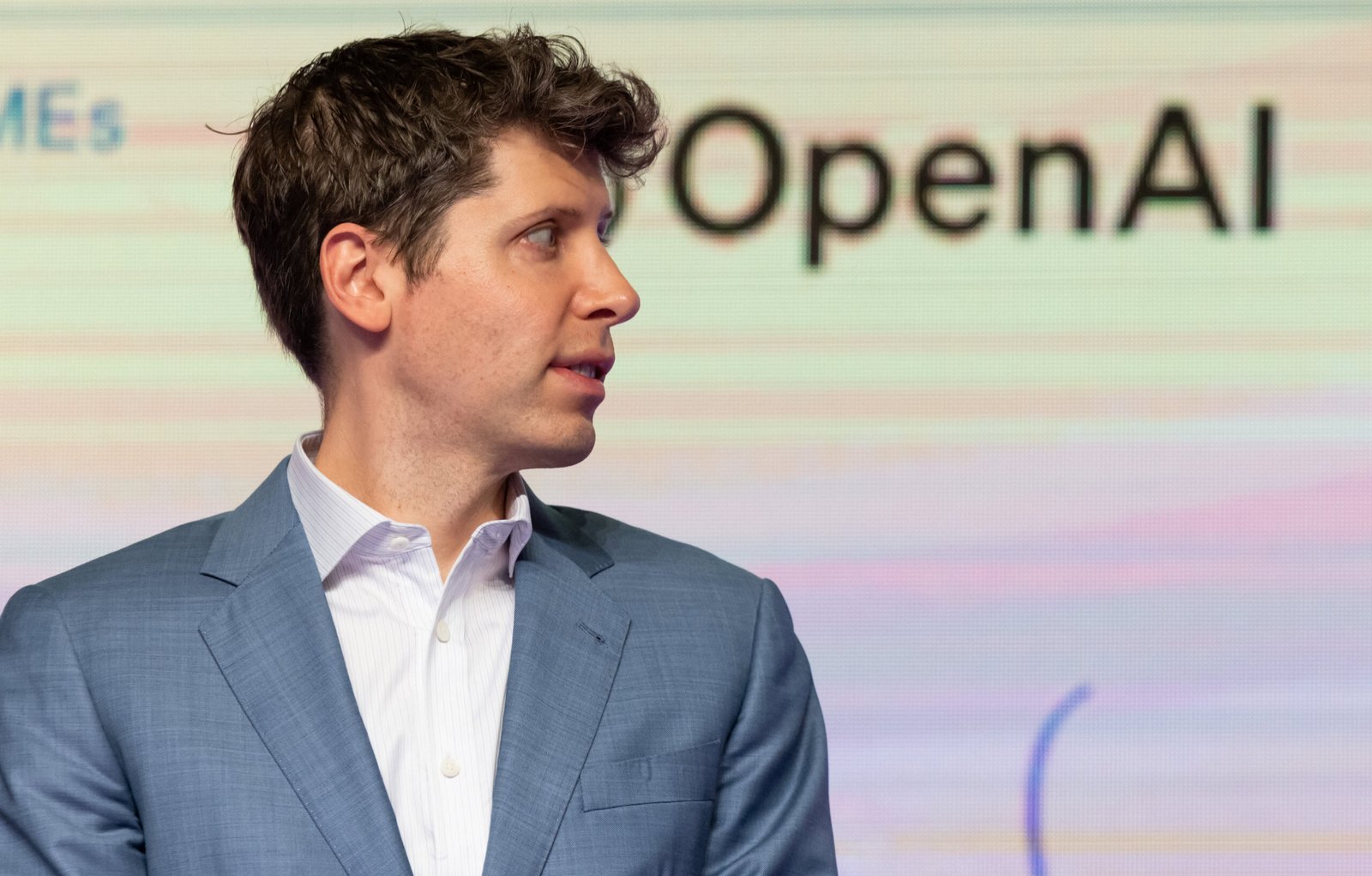
A Double Surprise from OpenAI In a move that caught the AI industry off guard, OpenAI rolled out its flagship GPT-5 just days after open-sourcing two new models.CEO Sam Altman described GPT-5 as “the best model in the world,” though benchmark comparisons show it only narrowly surpasses rivals like Anthropic, Google DeepMind, and xAI on some tasks, while slightly trailing on others. ALSO SEE : OpenAI Releases GPT-OSS Open-Weight AI Models Performance That Fits a Broad Range Early testers agree GPT-5 is a strong generalist, with a notable edge in coding and developer workflows. It has already been integrated into popular platforms like Cursor, which added it within minutes of launch. The Real Disruption: Pricing Here’s where GPT-5 makes waves: That’s on par with Google’s Gemini 2.5 Pro base rates but without steep surcharges for heavy usage. Compared to Anthropic’s Claude Opus 4.1 ($15 input / $75 output per 1M tokens), GPT-5’s pricing is aggressively competitive. Developer Reaction: Excitement Over Affordability Early-access developers are vocal about the cost savings. Matt Shumer, CEO of HyperWrite, noted that GPT-5 is cheaper than GPT-4o, continuing the trend of improving “intelligence per dollar.” Could This Trigger a Price War? With OpenAI undercutting a major rival by such a wide margin, the pressure is now on Anthropic and Google to adjust. If they do, this could be the start of the long-anticipated LLM price war — a shift that could benefit startups, coding toolmakers, and AI-based services. Why Lower Prices Are a Big Deal Many AI startups face unpredictable and often steep API costs. Meanwhile, infrastructure spending by tech giants is enormous: Historically, such investments push prices upward, making OpenAI’s recent price cuts even more significant. The Gauntlet Is Thrown By slashing prices not once but twice in a single week, OpenAI has signaled its intent to force the market’s hand. Whether competitors follow could determine how fast AI development becomes more cost-efficient for everyone. Sources ( Techcrunch )

OpenAI GPT-5 Launches with Smarter AI Features
Published on Techxnow — August 8, 2025 OpenAI has officially launched GPT-5, its most powerful AI model to date. Described as a major leap toward artificial general intelligence (AGI), GPT-5 is now the default model for all free users of ChatGPT — marking a bold move toward wider access to cutting-edge AI. Here’s what makes GPT-5 stand out — and why the entire tech industry is watching closely. The First “Unified” AI Model GPT-5 is OpenAI’s first unified model, combining the deep reasoning power of the o-series with the responsiveness of the GPT series. Unlike its predecessors, GPT-5 can think and act, completing tasks on behalf of users — not just responding to queries. Tasks GPT-5 can now handle include: Smarter Task Routing GPT-5 is equipped with a real-time router that dynamically chooses the best way to respond. Whether the task requires a fast reply or a longer, thought-out process, GPT-5 automatically adjusts without user input. This change simplifies the ChatGPT experience and reduces friction, especially for non-technical users. Free for All — for the First Time For the first time, a reasoning-level AI model is available to all ChatGPT users, free of charge. Previously, models with this level of capability were locked behind a paywall. According to OpenAI’s VP of ChatGPT, Nick Turley, this move supports the company’s mission to ensure AI benefits everyone — not just paying customers. Performance Highlights GPT-5 is outperforming most rivals on several key AI benchmarks: While it lags slightly behind competitors in a few niche areas like airline website navigation, GPT-5 generally shows top-tier performance across coding, science, health, and creativity. New Personalities & User Features ChatGPT now includes custom personalities to suit different styles of interaction. Users can choose between: These can be selected in settings and adapt how ChatGPT communicates — adding a personalized touch. Developer Options & Pricing For developers, GPT-5 comes in three API versions: These allow different levels of reasoning and performance. Developers can now also set verbosity levels — controlling how brief or verbose GPT-5’s responses should be. API Pricing: GPT-5 Pro: More Power for Power Users Subscribers to the $200/month Pro plan get access to GPT-5 Pro, an enhanced version using more compute power for better performance. Pro users also enjoy unlimited usage. Meanwhile, Plus users ($20/month) receive higher usage caps than free-tier users. Is GPT-5 Really a Game-Changer? While GPT-5 outperforms competitors in many benchmarks, its real impact lies in how people — developers, businesses, and everyday users — will use it in the real world. OpenAI says it’s also the safest model they’ve built, with improved defenses against misuse, fewer hallucinations, and more trustworthy behavior. GPT-5 even detects malicious intent more effectively than previous models. OpenAI’s CEO Sam Altman calls it “the best model in the world” — and a key step toward AGI. GPT-5 marks a significant milestone not just for OpenAI, but for AI at large. Its public release, broad accessibility, and frontier performance signal a new phase in how AI is integrated into our daily lives — from work automation to healthcare advice, and creative tasks to software development. With expectations sky-high and over 700 million weekly ChatGPT users worldwide, all eyes are on GPT-5 to deliver on its promise. Stay tuned to Techxnow for ongoing coverage of GPT-5 and the AI revolution. Sources (Techcrunch )
OpenAI Releases GPT-OSS Open-Weight AI Models
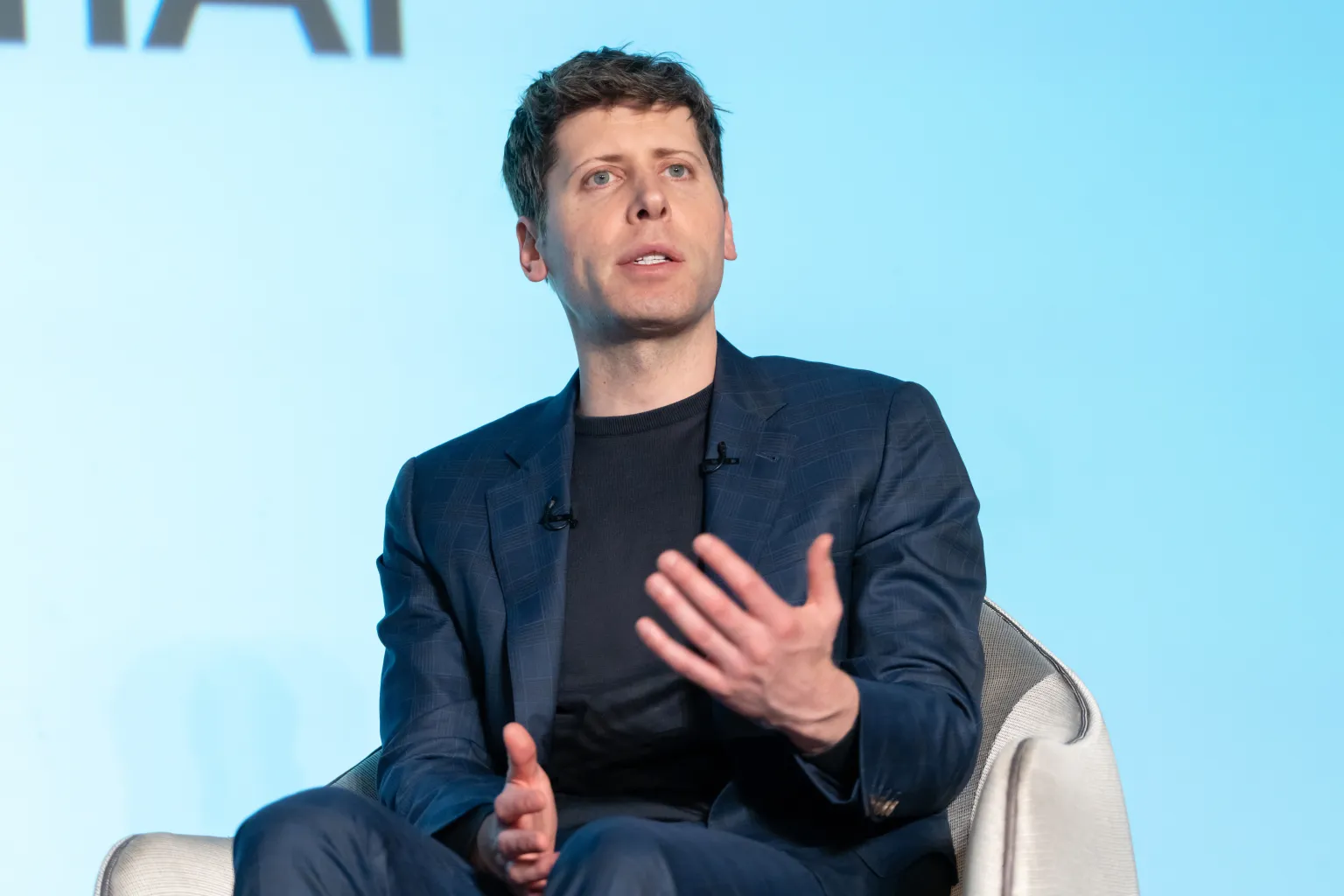
August 6, 2025 – Techxnow Editorial OpenAI has officially launched two new open-weight AI reasoning models—gpt-oss-120b and gpt-oss-20b—marking its return to open releases for the first time since GPT-2 in 2019. Available now on Hugging Face under the permissive Apache 2.0 license, these models aim to provide the developer community with powerful tools that rival leading open-source offerings from China and beyond. A Shift in Strategy Historically, OpenAI has prioritized closed-source development, building a robust API business around proprietary models. But growing competition from Chinese labs like DeepSeek, Alibaba’s Qwen, and Moonshot AI—combined with political pressure—has prompted a pivot. In a statement, CEO Sam Altman acknowledged the change in direction: “To that end, we are excited for the world to be building on an open AI stack created in the United States, based on democratic values, available for free to all and for wide benefit.” Model Details: Performance and Footprint Both models were designed with efficiency and reasoning in mind and were trained using high-compute reinforcement learning (RL) techniques, similar to OpenAI’s proprietary o-series. Benchmark Results: State-of-the-Art for Open Models OpenAI benchmarked the new models on a range of AI reasoning tasks: While not on par with OpenAI’s closed models like o3 or o4-mini, these open models still lead the pack in the open-source ecosystem. Trade-Offs: Hallucination Rates and Limitations A major limitation is hallucination—where models generate incorrect information. According to OpenAI: OpenAI attributes this to the models’ smaller size and reduced world knowledge compared to frontier models. Additionally, these open models are text-only. They cannot process or generate images, video, or audio, although they can trigger tools like web search or Python execution as part of their chain-of-thought reasoning. Safety and Licensing While OpenAI will not release training data—citing legal and ethical risks—it has taken steps to assess the potential misuse of the models. Safety evaluations revealed: Importantly, both models are released under the Apache 2.0 license, allowing unrestricted commercial use. This stands in contrast to more restrictive licenses used by some competitors. What’s Next? This release signals OpenAI’s renewed commitment to the open-source AI community and could serve as a strategic counterweight to China’s accelerating presence in the space. However, competition is heating up: developers are watching closely for the upcoming DeepSeek R2 and Meta’s rumored Superintelligence model. Follow Techxnow for more updates on AI, open models, and industry insights. Sources ( Techcrunch )
Google’s AI Bug Hunter Finds 20 Open Source Flaws
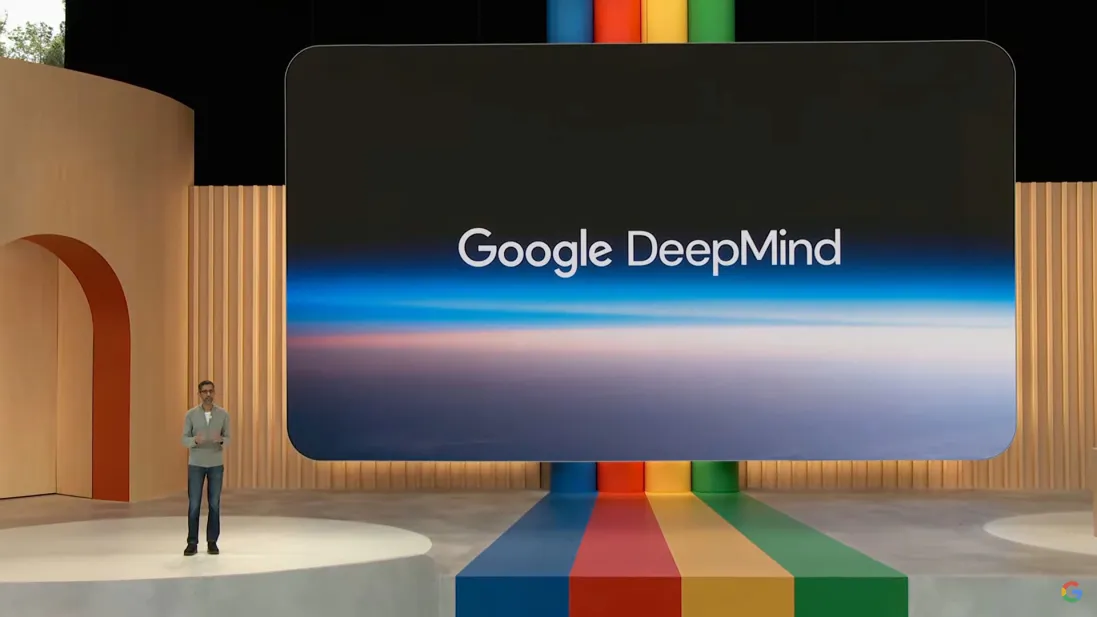
Google has just unveiled a significant breakthrough in AI-driven cybersecurity. Its experimental AI bug hunter, Big Sleep, has identified 20 previously undisclosed security vulnerabilities in widely used open source software. Here’s a breakdown of what this means for the future of vulnerability discovery. A New Era in AI-Powered Vulnerability Research Announced by Heather Adkins, Google’s VP of Security, Big Sleep is an LLM-based (large language model) vulnerability researcher developed by DeepMind in collaboration with Google’s top-tier security team, Project Zero. The tool has successfully found and reproduced flaws in software like FFmpeg and ImageMagick, which are critical components used in countless applications worldwide. How Big Sleep Works: AI First, Human Verified Although the vulnerabilities were surfaced by AI, Google emphasizes that a human expert reviewed each finding before disclosure. According to spokesperson Kimberly Samra, “Each vulnerability was found and reproduced by the AI agent without human intervention, but a human expert ensures high-quality, actionable reports.” This “human-in-the-loop” approach helps filter out false positives and ensures only verified vulnerabilities are reported to maintain credibility and avoid noise in the ecosystem. Setting the Stage for Automated Security Discovery Royal Hansen, Google’s VP of Engineering, called Big Sleep’s discoveries “a new frontier in automated vulnerability discovery.” This milestone suggests that LLM-powered tools are no longer theoretical — they’re already producing real-world results, even if they’re not fully autonomous just yet. Other notable tools in this growing field include RunSybil and XBOW, which has gained attention after topping a HackerOne leaderboard. Industry Reaction: Cautious Optimism Security professionals have taken notice. Vlad Ionescu, CTO and co-founder of RunSybil, considers Big Sleep a “legit” project backed by strong engineering and research. He credits its design and the combined expertise of Project Zero and DeepMind as key factors in its success. However, Ionescu and others also warn of pitfalls. Some developers have reported a surge in AI-generated bug reports that turned out to be hallucinations, or inaccuracies — leading to frustration and skepticism among maintainers. Ionescu aptly described the issue: “We’re getting a lot of stuff that looks like gold, but it’s actually just crap.” sources ( Techcrunch )

Google Backs STAN, India’s Social Gaming Platform
STAN, a rapidly growing Indian social gaming platform, has secured $8.5 million in equity funding in a round that includes Google, Bandai Namco Entertainment, Square Enix, Reazon Holdings, and other key players like Aptos Labs, King River Capital, General Catalyst, and GFR Fund. Google’s participation comes through its AI Futures Fund, launched in May 2025 to support startups building innovative solutions with Google’s AI tools. STAN’s Unique Model: Gaming Meets Social Currency Unlike traditional platforms like Discord, STAN offers a gamified social experience where users can earn in-app currency—called Gems—through gameplay, referrals, daily rewards, and interactive features like spin-to-win wheels. These Gems can be redeemed for real-world rewards via Amazon, Flipkart, and PhonePe, making STAN more than just a hangout—it’s a place where gaming brings tangible value. Clubs: Game-Centric Chat Spaces for Creators The platform allows creators to host game-specific chat rooms called Clubs, where they can provide unique “gaming experiences.” Users must pay with social currency to participate, and STAN takes a commission from these transactions. This setup blends creator economy dynamics with gaming culture, offering creators monetization opportunities while maintaining a highly engaged community. Explosive Growth and Expanding Partnerships With over 25 million downloads and 5.5 million monthly active users, STAN is showing impressive momentum. CEO Parth Chadha attributes this to the app’s shift toward user-generated content, enabling anyone—not just invited creators—to stream live content, significantly increasing engagement. In the last two quarters alone, nearly 100 gaming companies—including Krafton, Garena, and Roblox—have partnered with STAN. The platform is currently onboarding more than 20 new publishers every month, turning B2B engagement into a promising revenue stream. AI at the Core of STAN’s Vision A major focus of STAN’s roadmap is AI-powered infrastructure. Currently, 70–80% of moderation on the platform is managed by AI, with the rest handled by human moderators. With Google’s support, STAN aims to improve this even further and roll out AI tools that support: These tools will give creators plug-and-play features to scale their communities while ensuring safety and quality. Expansion Plans and Global Reach Though currently geo-restricted to India, 5–6% of STAN’s user engagement comes from international users who log in via Indian phone numbers. The company plans to expand to neighboring countries in the Indian subcontinent, followed by Southeast Asia and Latin America in the next phase. Profitability Goals and Team Growth STAN was briefly profitable, but is now prioritizing growth. The company expects to achieve profitability again by 2027. With a lean team of around 40 employees—less than 30 in engineering—the startup is focused on scaling efficiently. With this funding round, STAN’s total equity raised now stands at $15 million, marking a significant milestone as it aims to redefine how gaming, community, and monetization come together in emerging markets. Sources ( Techcrunch )

Apple Boosts AI Investments, Plans Major Features
Apple is finally putting its full weight behind artificial intelligence. On its Q3 2025 earnings call, CEO Tim Cook made it clear that AI is becoming central to the company’s future. “We see AI as one of the most profound technologies of our lifetime,” Cook said. “We are embedding it across our devices and platforms and across the company. We are also significantly growing our investments.” Cook emphasized that Apple’s approach remains rooted in its traditional strength—making cutting-edge technologies simple and accessible for users. ALSO SEE : Meta’s AI Boosts Facebook & Instagram Engagement in Q2 Shifting Talent and Resources to AI Cook went on to highlight how Apple is reshaping its internal workforce to focus more on AI initiatives. “We’re reallocating a fair number of people to focus on AI,” he noted. “We have a great, great team and we’re putting all of our energy behind it.” This shift reflects Apple’s urgency in catching up with competitors who have already made substantial AI advancements. CapEx on the Rise, but Still Hybrid AI development is driving up Apple’s capital expenditures, with the company confirming increased spending year-to-date. However, Cook noted Apple continues to use a hybrid model—leaning on third-party partners for infrastructure investment—so overall CapEx growth won’t be exponential. Acquisitions Fueling the AI Roadmap To accelerate its progress, Apple is staying open to mergers and acquisitions. In an interview with CNBC, the company revealed it had acquired seven companies in 2025 alone, though none were major deals in dollar terms. “We’re making acquisitions at the rate of one every several weeks,” Cook said. Apple Defends Its AI Strategy Against Critics Apple has faced criticism for being late to the AI race. The company previously unveiled several AI-powered features that have yet to materialize—most notably, a revamped Siri experience. Critics say Apple was caught off guard by the AI boom, but the company stands by its methodical approach. “Launching the wrong features or the wrong products just to be first would be a mistake,” Apple said. Over 20 AI Features Already Launched Despite the skepticism, Apple says it has already rolled out more than 20 ‘Apple Intelligence’ features, including: More updates are on the way. This fall, users can expect new features like live translation and an AI-powered workout companion. However, the upgraded Siri—designed to offer more personalization—has been delayed to 2026. “We’re making good progress on the Siri update,” Cook assured investors. AI Hardware? iPhone Isn’t Going Anywhere When asked about potential new AI-driven hardware—such as smart glasses, which Meta CEO Mark Zuckerberg has promoted—Cook remained firm in his support of the iPhone. “It’s difficult to see a world where iPhone’s not living in it,” he said. “AI devices are likely to be complementary, not substitutions.” He declined to comment on which AI technologies Apple views as likely to become commoditized, suggesting that revealing such details would give away strategic information. Strong Earnings Back AI Bet Apple closed its Q3 with better-than-expected iPhone sales and record-breaking revenue, boosting its stock in after-hours trading. As the company continues to evolve its AI strategy, it’s doing so from a position of financial strength. Source ( Techcrunch )

Meta’s AI Boosts Facebook & Instagram Engagement in Q2
Meta CEO Mark Zuckerberg has attributed a notable surge in user engagement across Facebook and Instagram to the company’s continued investment in AI technologies. In the second quarter of 2025, AI-enhanced recommendation systems reportedly led to significant improvements in how content is surfaced to users—translating directly into more time spent on Meta’s platforms. AI Recommendation Systems Boost User Time Zuckerberg highlighted during Meta’s Q2 earnings call that recent advancements in AI-driven content recommendations are paying off. “AI is significantly improving our ability to show people content that they’re going to find interesting and useful,” he stated. The result? A 5% increase in time spent on Facebook and a 6% increase on Instagram in just the past quarter. Video Content Sees Major Growth Beyond general user engagement, Meta also reported a 20% year-over-year increase in video viewing time across its platforms. This uptick is attributed to the company’s focus on refining its ranking algorithms and prioritizing more original content on Instagram. Daily Active Users Climb to 3.4 Billion Meta’s “family of apps” — which includes Facebook, Instagram, Messenger, and WhatsApp — reached a major milestone in June, with over 3.4 billion daily active users, representing a 6% increase from the previous year. This growth helped push Meta’s total revenue from these platforms to $47.1 billion in Q2, marking a 22% year-over-year increase. Threads Also Benefits from AI Integration Meta’s Twitter-like platform, Threads, is also seeing gains in user engagement. The company attributed these increases to the incorporation of large language models (LLMs), which have enhanced how content is personalized and delivered. Addressing the “AI Slop” Backlash Despite user concerns over so-called “AI slop”—a term used to describe low-quality, AI-generated content cluttering social feeds—Meta maintains that its AI is becoming more effective. According to the company, improvements in machine learning are helping surface higher-quality, more relevant content that users want to engage with. What’s Next for Meta’s AI Push? With measurable gains in time spent, video engagement, and daily users, Meta is likely to continue betting big on AI across all its platforms. The company’s focus seems to be clear: enhance user experience through smarter, more personalized content discovery—and let the numbers speak for themselves. Sources ( Techcrunch )
